When you purchase through links on our site, we may earn a commission at no extra cost to you. Learn more.
Some Russian cats are hairless. Some have bobbed tails. One is smaller than a six-month-old kitten.
Table of Contents
Russia has quietly produced some of the world’s strangest, rarest, and most misunderstood cat breeds. If you think Russian cats all look like Russian Blues, this list is going to surprise you fast.
The 3 Russian Cat Traits That Surprise People The Most
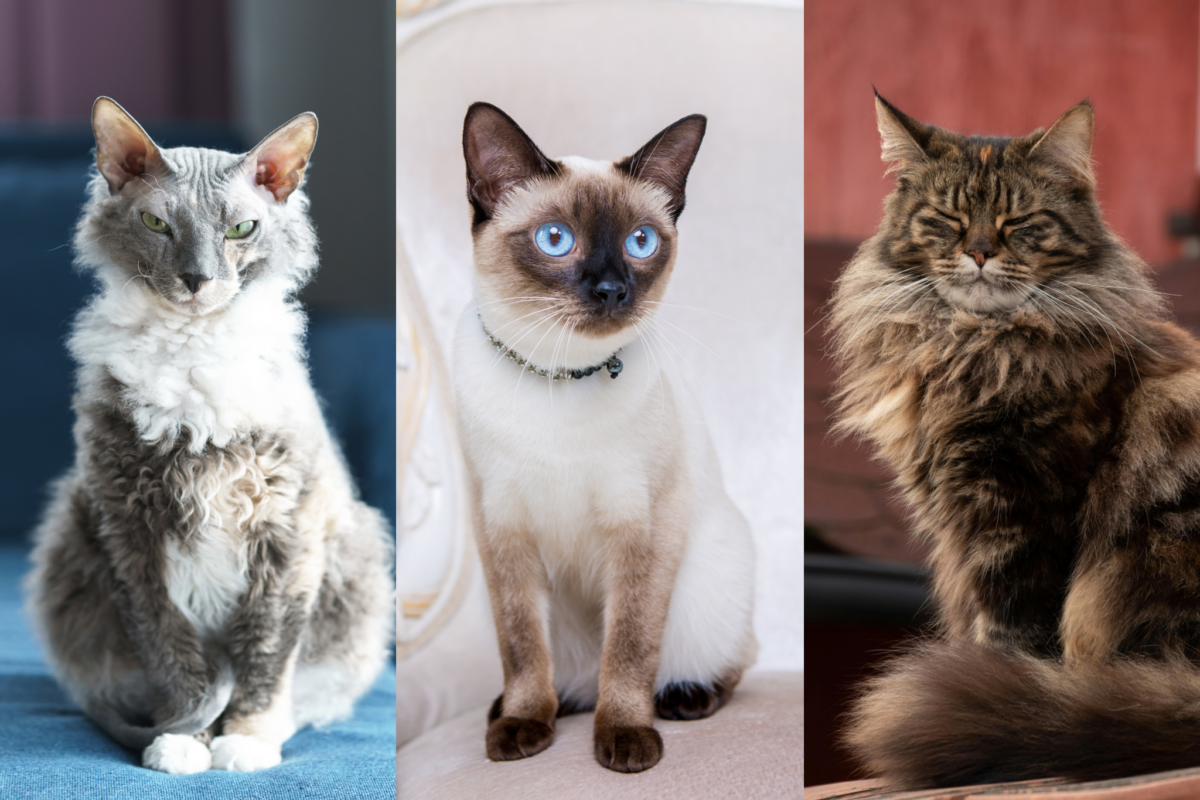
Russian cat breeds don’t follow the usual “cute and predictable” playbook. Many of them exist because of environment, isolation, or pure genetic accident, not careful aesthetic planning. That’s why this list gets weird fast.
1. Many Weren’t “Designed” — They Happened
Unlike modern designer breeds, several Russian cats developed naturally, shaped by harsh climates, remote regions, or spontaneous genetic mutations.
Want our human-written content to rank above AI-generated garbage? Help us out by clicking this button!
That’s how you end up with:
- Hairless cats with varying degrees of “baldness”
- Naturally bobtailed cats with no shared tail shape
- Breeds that existed locally for decades before anyone formalized them
Did you know? Some of these cats weren’t even recognized as breeds until recently — or still aren’t.
2. Extreme Traits Are The Norm, Not The Exception
Russian cat breeds tend to lean all the way in. Instead of subtle differences, you’ll see dramatic contrasts.
Think:
- Completely hairless skin vs thick triple coats
- Tiny, kitten-sized adults vs cats weighing 25+ pounds
- Sleek, elegant builds vs stocky, cold-weather bodies
Quick Takeaway: Russian cat breeds range from ultra-fluffy to totally bald, and from pocket-sized to wildcat-large.
3. Some Blur The Line Between Domestic & Wild
Some Russian cat breeds don’t just look wild. They actually share ancestry with wildcats or developed alongside them in remote regions.
That influence shows up in:
- Athletic, muscular builds
- Strong prey drives
- More independent personalities than typical house cats
These cats often bond deeply with one person but aren’t always eager to please everyone.
Why So Many Russian Cats Look Wild
This isn’t about aesthetics. It’s about environment and isolation.
- Remote regions allowed wild traits to stick around
- Harsh climates favored strong bodies and dense coats
- In some cases, wild and domestic cats simply bred naturally
Meet The 11 Russian Cat Breeds (From Wildest To Most Familiar)
Some of these cats barely look domesticated. Others are so rare they’re almost impossible to find outside Russia.
We’re starting with the most extreme, most unusual Russian cat breeds and working our way toward the ones you might actually recognize.
If you’ve ever wondered how far a “house cat” can stretch as a concept, this is where it starts.
1. Caracat Cat
At first glance, the Caracat looks like a wild desert predator that wandered into someone’s living room. With tufted ears, a powerful build, and an unmistakably wild presence, it’s easy to forget this cat is considered domestic at all.
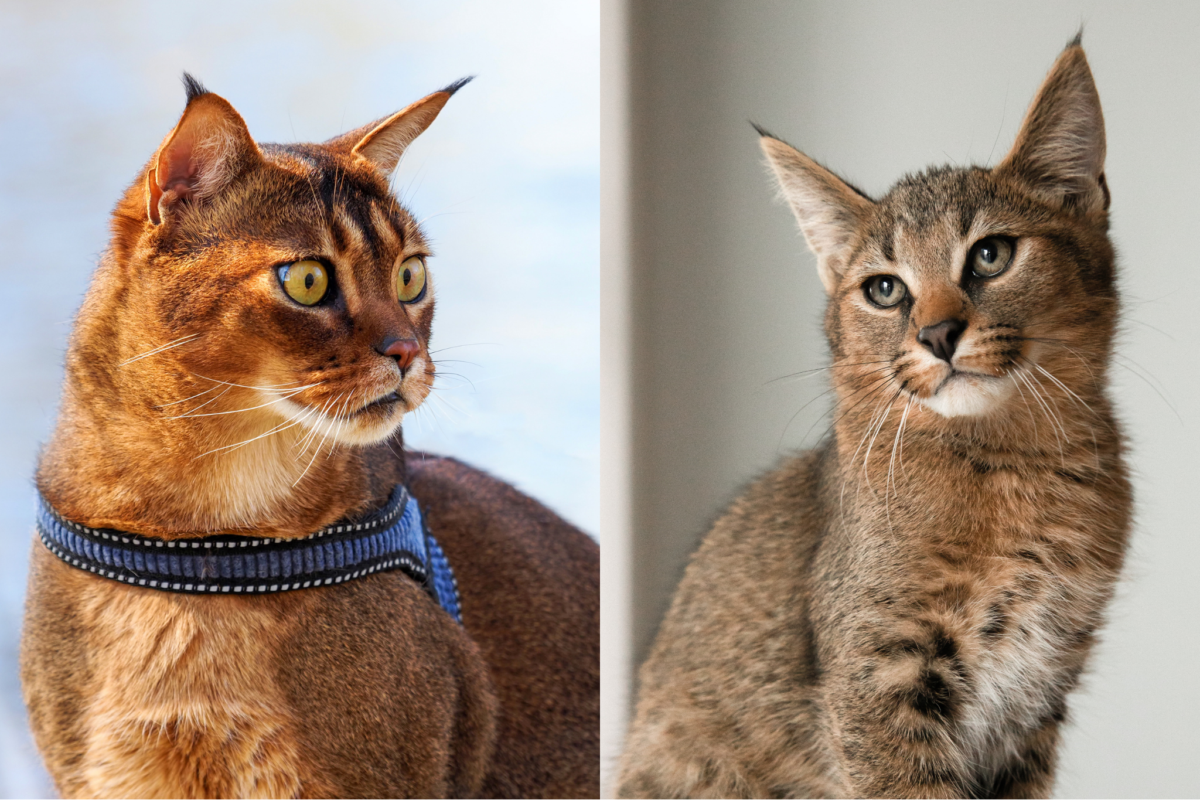
The Caracat is a hybrid of a wild Caracal and a domestic cat, often the Abyssinian. It’s also one of the rarest and most expensive companion cats in the world, with only a handful of breeders globally.
Why People Are Fascinated by The Caracat
- Early generations can weigh 25–30 pounds, which is larger than even F1 Savannah cats (offspring of African servals and domestic cats)
- Distinctive black ear tufts inherited from the Caracal
- Prices often exceed $25,000
A surprising contrast: Despite their intimidating look, Caracats don’t vocalize like wildcats. They meow, chirp, and trill much like a typical house cat.
Watch: Looks like a wildcat. Sounds like a needy house cat.
2. Ussuri Cat
The Ussuri cat is extremely rare, even in Russia. It is best described as a naturally occurring hybrid, rather than a formally established breed. Experts believe it developed from natural hybridization between domestic cats and wildcats such as the Amur forest cat or Amur leopard cat.
Why The Ussuri Feels More Wild Than Most
- Strong prey drive and high activity levels
- Lynx-like ear tufts and bold tabby patterning
Good-to-know: There is no official breed standard and no formal breeding program, which makes the Ussuri more of a genetic outlier than a recognized breed.
3. Donskoy Cat (Don Sphynx)
The Donskoy looks like a Sphynx at first glance, but this breed is very much its own. As a bonus, Donskoys are typically a healthier hairless cat breed with a longer lifespan. Unlike Sphynx cats, they do not carry hypertrophic cardiomyopathy (HCM), a heart condition commonly associated with that breed.
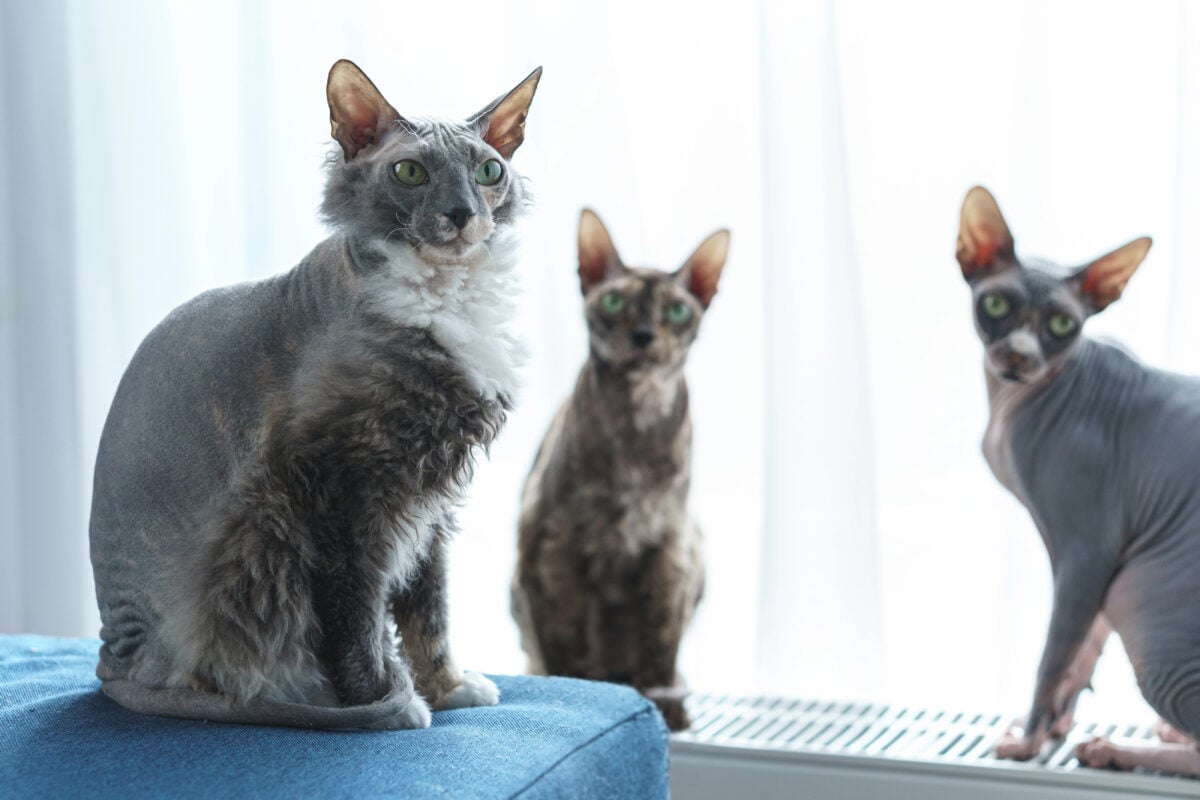
The Donskoy traces back to a rescued kitten in Russia in the late 1980s. When she began losing her hair, it was initially treated as an illness. It was later discovered that a genetic mutation, not disease, caused the hair loss, giving rise to an entirely new breed.
What Makes The Donskoy Stand Out
These cats are naturally hairless due to a dominant gene mutation. They appear in several coat types, many of which change over time.
- Rubber bald: completely hairless from birth
- Flocked: peach-fuzz texture similar to a Sphynx that fades with age
- Velour: born with wavy, wool-like hair and a bald spot on the head; fur is often patchy and usually disappears within the first two years, though some may remain on the chest and paws
- Brush: born with a full coat that may be soft, wavy, wiry, or bristly; only part of the coat disappears over time
Personality snapshot: Donskoys are highly social, intelligent, and deeply people-oriented. They crave interaction and tend to follow their humans from room to room, making them a strong fit for multi-pet or highly interactive households.
Watch: Meet Leela the Donskoy. This video shows how the breed’s hairless gene plays out across parents and littermates.
4. Peterbald Cat
If the Donskoy feels bold and expressive, the Peterbald feels sleek and intentional. This elegant, long-limbed cat was developed in the mid-1990s by introducing the Donskoy’s dominant hairless gene into Oriental Shorthairs.

Peterbalds can be completely hairless or lightly coated, and even kittens from the same litter may look wildly different. Their appearance often shifts as they mature, making them among the most unpredictable-looking Russian breeds.
What Makes The Peterbald Stand Out
- Five coat types ranging from fully bald to short, straight fur
- Long, refined body similar to modern Siamese cats
- Highly expressive faces and large ears
Personality snapshot: Peterbalds are playful, curious, and famously people-focused. They’re often described as dog-like, thriving on attention and interaction and preferring to be involved in whatever their humans are doing.
Watch: Chatty, curious, and impossible to ignore — classic Peterbald energy.
5. Toybob Cat
The Toybob may look like a kitten, but this is a fully grown adult cat. Toybobs typically weigh just four to seven pounds, even at maturity.

Despite their size, Toybobs are sturdy, well-proportioned cats with naturally bobbed tails and large, expressive eyes. They’re often mistaken for kittens well into adulthood.
Why The Toybob Is So Unusual
- Adult cats stay about the size of a six-month-old kitten
- Naturally occurring bobtail, not the result of miniaturization
- Comes in both short and semi-long coat varieties
Good fit if you want: A gentle, affectionate cat with a calm presence that adapts well to other pets and small living spaces.
Watch: Toybobs stay remarkably small even as adults, with naturally bobbed tails and kitten-like proportions.
6. Ural Rex Cat
The Ural Rex is one of the least-known curly-coated cat breeds in the world and is rarely found outside Russia. Unlike some rex breeds created through selective breeding, the Ural Rex’s distinctive curls come from a naturally occurring genetic mutation.
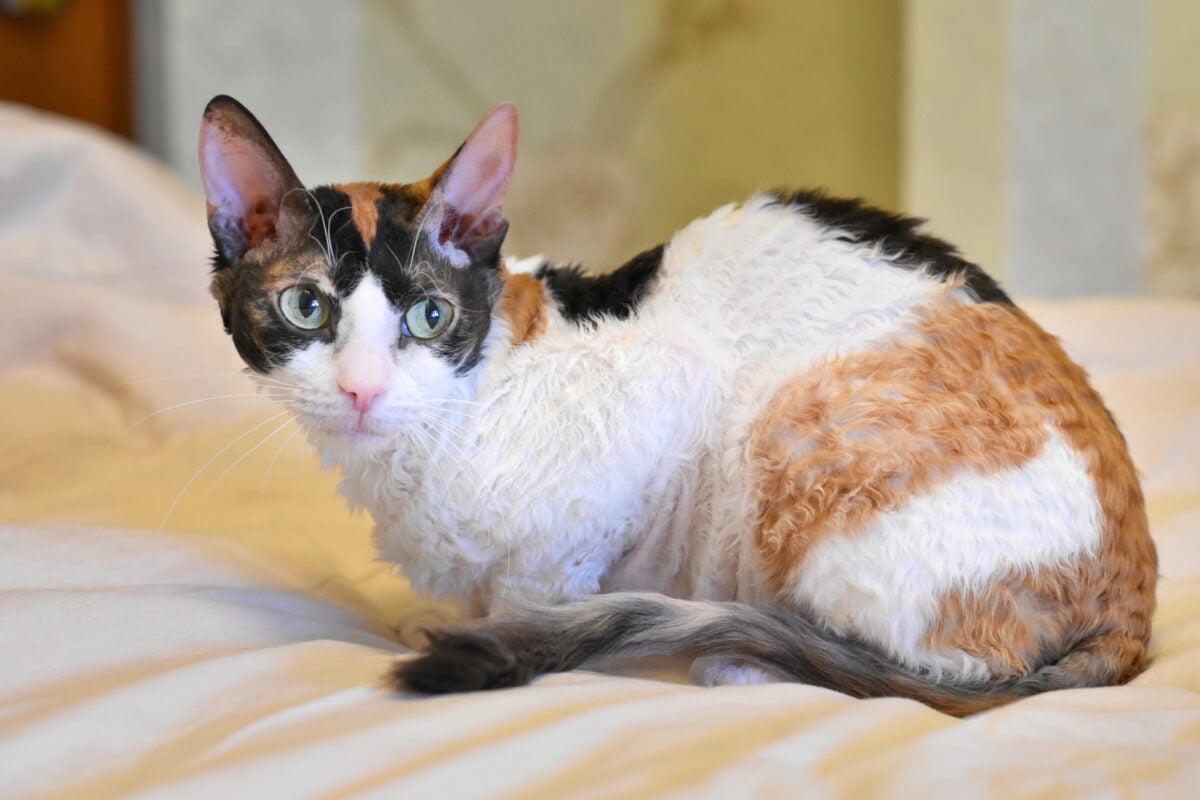
Their soft, wavy coat gives them a plush, velvety texture, often paired with crimped whiskers and expressive, almond-shaped eyes. The look is subtle but unmistakable once you notice it.
What Sets The Ural Rex Apart
- Naturally curly coat with no harsh guard hairs
- Can have short or semi-long fur in many colors
- Slender but muscular build
Lives best with: Households that want an interactive cat without constant demands for attention.
Watch: The Ural Rex’s naturally wavy coat comes from a genetic mutation — not selective breeding.
7. Mekong Bobtail Cat
The Mekong Bobtail looks a lot like an old-style Siamese — until you notice the tail. This breed has a naturally kinked, bobbed tail that’s shorter than a quarter of the cat’s body length, and no two tails look exactly the same.

Although the Mekong Bobtail originated in Southeast Asia, the breed as we know it today was formally developed and standardized in Russia, which is why it’s recognized as a Russian breed.
Why The Mekong Bobtail Stands Out
- Siamese-like body with colorpoint coats
- Naturally bobbed tail with visible kinks
- Medium-sized, athletic build
Good fit if you want: A playful, affectionate cat that bonds closely with people and enjoys regular interaction and activity.
Watch: Mekong Bobtails are agile, energetic, and rarely content sitting still for long.
8. Kurilian Bobtail Cat
Kurilian Bobtails developed naturally on the Russian-owned islands of Kuril and Sakhalin. Experts believe the breed to be a mix of Japanese Bobtail and Siberian cats. People also call these felines Kuril Islands Bobtails, Kuril Bobtails, and Curilsk Bobtails.
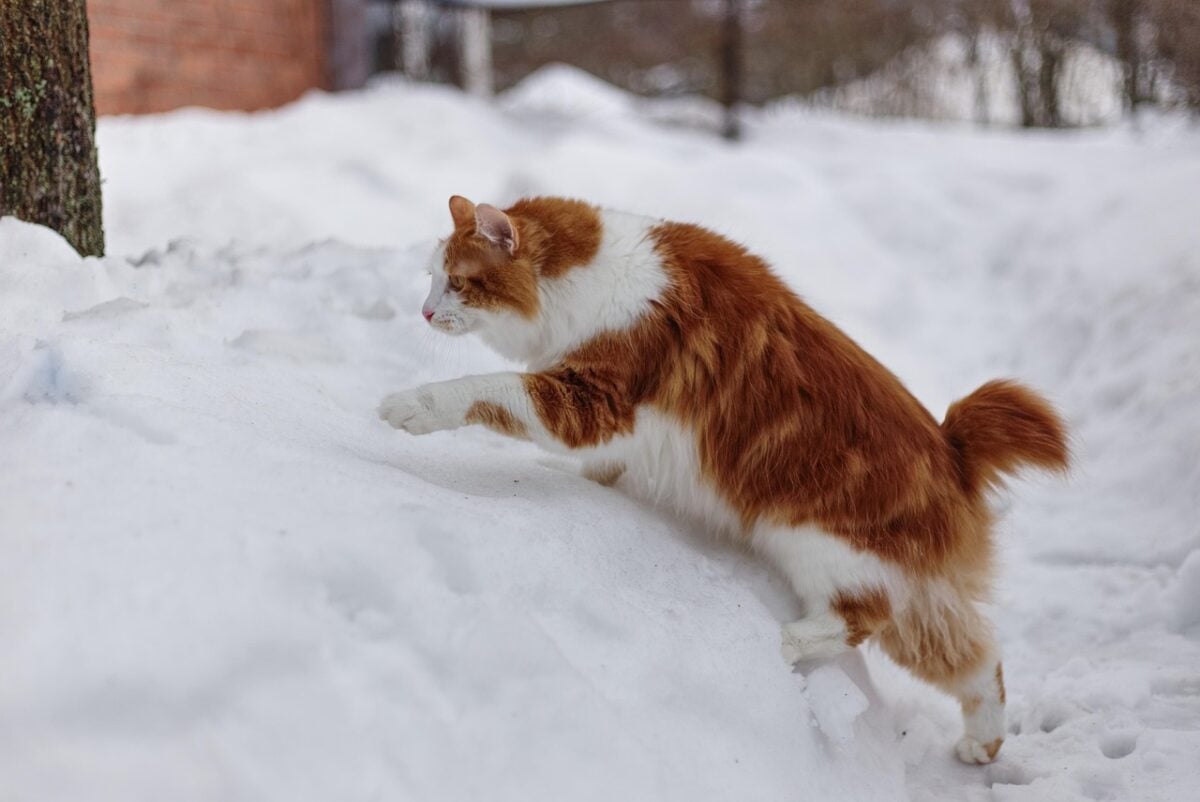
Kurilian Bobtails are known for their distinct pom-pom tails, made up of anywhere from two to ten vertebrae. Each tail is unique, forming shapes like spirals, hooks, or snags.
What Makes the Kurilian Bobtail Different
- Stocky, powerful body
- Short or long coats in many patterns
- Highly expressive, talkative nature
What surprises people: Despite their sturdy appearance, Kurilian Bobtails are social, playful, and tend to do well with dogs and children.
Watch: That pom-pom tail isn’t just cute — it’s a defining trait of the Kurilian Bobtail.
9. Karelian Bobtail Cat
The Karelian Bobtail is one of the least-known Russian breeds outside its native region near the Finnish border. Unlike the Kurilian, this breed has a lighter, more refined build and a quieter presence.
Their bobbed tail is caused by a recessive gene, meaning both parents must carry it for kittens to inherit the trait. The tail is often fluffy, creating a soft pom-pom effect.
Why People Appreciate The Karelian Bobtail
- Gentle, adaptable temperament
- Short to medium-length coat with a soft undercoat
- Naturally occurring bobtail
Lives best with: Households looking for an easygoing, low-drama companion that enjoys company without demanding constant attention.
10. Siberian Cat
The Siberian is Russia’s most iconic longhaired breed, built to withstand some of the harshest climates on Earth. These large, powerful cats have dense triple coats that are water-resistant and designed for extreme cold.
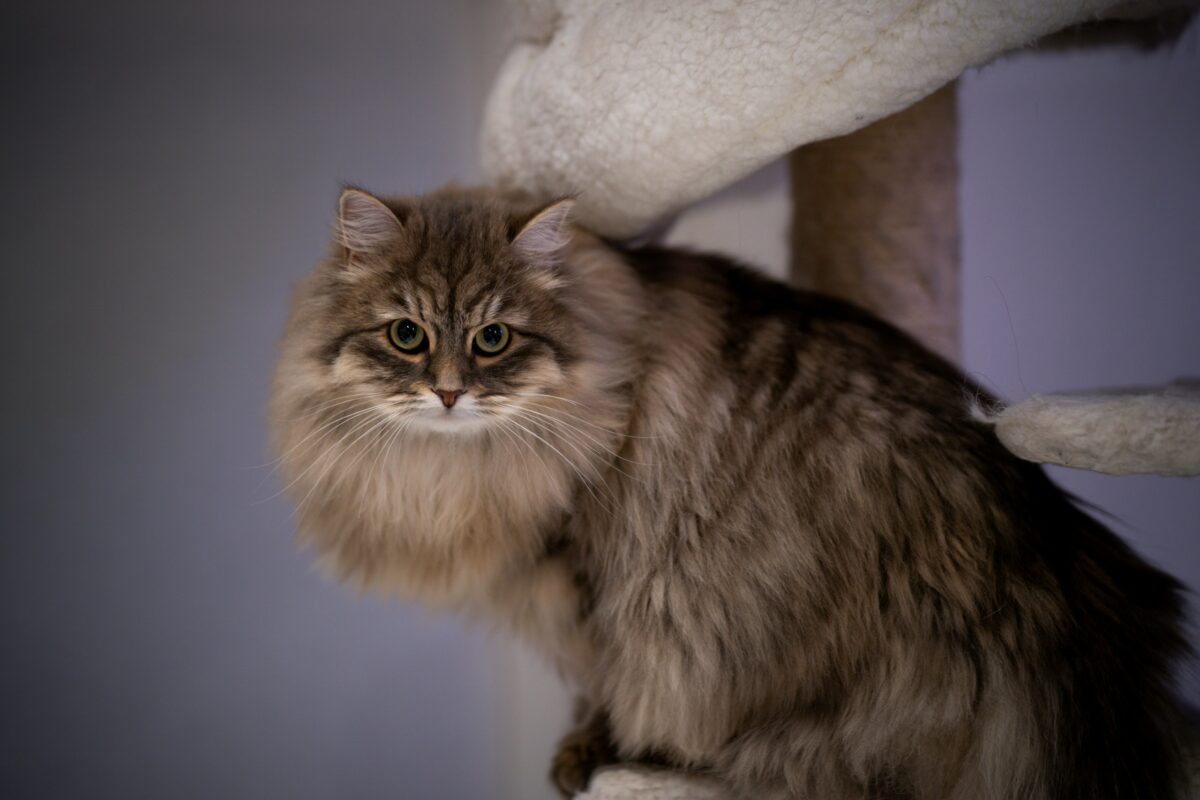
Despite their size, Siberians are known for their calm, friendly nature. They’re often compared to Maine Coons but tend to mature more slowly, sometimes taking up to five years to fully develop.
Why The Siberian Is So Popular
- Thick, luxurious coat with a rugged build
- Produces less Fel d 1 protein than many breeds, making them more hypoallergenic
- Naturally affectionate and adaptable
Worth knowing: Siberians shed heavily and require regular grooming, even though they’re often labeled as hypoallergenic.
Watch: Siberians are social, easy-going cats that love being near their humans.
Neva Masquerade Cat (Siberian Variant)
The Neva Masquerade is a colorpoint variation of the Siberian cat. Aside from coat pattern, there are no meaningful differences between the two breeds in size, temperament, or care needs.
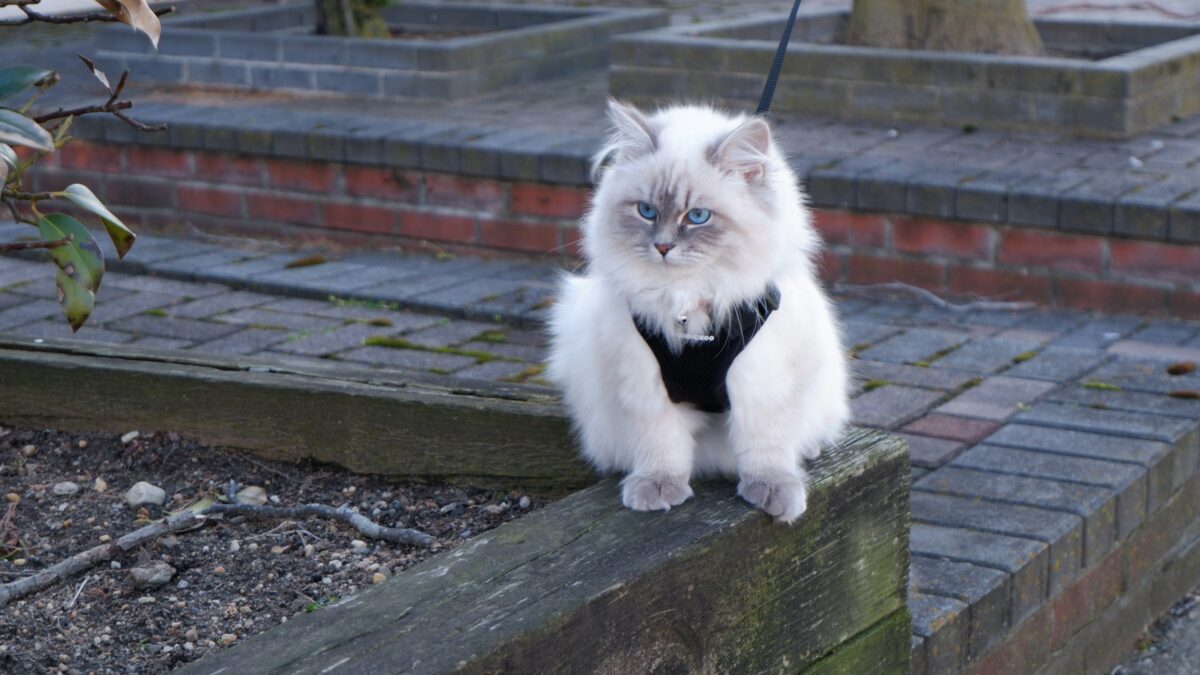
Their striking masks and blue eyes often cause them to be mistaken for Ragdolls, but genetically, they are pure Siberians.
Why People Love the Neva Masquerade
- Dramatic colorpoint markings
- Same hardy build and temperament as Siberians
- Strong family-oriented personalities
Watch: The Neva Masquerade is a colorpoint Siberian — same cold-weather build, just a more dramatic coat.
11. Russian Blue Cat
The Russian Blue is the most recognizable Russian cat breed — and also one of the oldest. First documented in the port city of Arkhangelsk, these cats were once known as Archangel Cats and likely spread throughout Europe aboard ships.

Russian Blues are instantly recognizable for their plush blue coats and vivid green eyes. Their dense double coat sheds less than many other breeds and produces lower levels of Fel d 1 protein — the leading cause of cat allergies.
Why People Love The Russian Blue
- Elegant, low-maintenance coat
- Intelligent, athletic, and playful
- Often bonds closely with one primary person
Good fit if you want: A loyal companion that’s curious yet calm, affectionate but not clingly.
Watch: Russian Blues are generally quiet — until they decide they have something to say. They thrive on routine, and they can be quite chatty if their regular schedule isn’t maintained.
Frequently Asked Questions
Russian cat breeds can be fascinating, but they also come with unique considerations. These frequently asked questions break down what people want to know before committing to one.
Don’t see your question? Respond in the comments, and we’ll get back to you!
How Do I Choose The Right Russian Cat Breed?
Start with lifestyle, not looks. Some Russian cats are highly social and demand attention, while others are independent or better suited to experienced owners.
Also factor in grooming needs, activity level, and how much time you spend at home. Rarer breeds often come with higher costs and longer waitlists.
What Is The Most Expensive Russian Cat?
The Caracat is the most expensive Russian cat, with prices often exceeding $25,000 due to its rarity and hybrid status. The Peterbald is another high-cost breed, typically priced between $2,000 and $5,000.
For a more accessible option, the Russian Blue is widely available and generally far more affordable.
Are Russian Cats Good For Families?
Some are, some aren’t. Breeds like the Siberian, Russian Blue, and Toybob tend to do well in family settings. Others, especially rare hybrids or highly independent cats, may not be ideal for homes with young children.
Always match the breed’s temperament to your household dynamic.
Are Any Russian Cat Breeds Hypoallergenic?
No cat is completely hypoallergenic, but some Russian breeds produce lower levels of the Fel d 1 protein that triggers allergies. Siberians and Russian Blues are often better tolerated by allergy-sensitive owners, though reactions vary from person to person.
Are Rare Russian Cats Easy To Find?
Generally, no. Many Russian breeds have limited breeders, long waitlists, or are rarely exported outside their native regions.
Always work with a reputable breeder, and be cautious of sellers offering extremely rare cats with no documentation or lineage history.
More Unique Cat Breeds
If you’re curious about other unique cat breeds, check out our articles on Egyptian, German and Japanese cat breeds. You can also view profiles of rare cats, like the Cheetoh, Dragon Li, and Kinkalow.