
When you purchase through links on our site, we may earn a commission at no extra cost to you. Learn more.
Somewhere along the way, cats — obligate carnivores who can’t even taste sugar — decided that they absolutely love ice cream. So now, every time you reach into the freezer for your favorite carton, your cat is desperately pawing for a spoonful, too.
Table of Contents
So, should you actually share it? A tiny lick is usually harmless, but most ice cream isn’t doing your cat any favors, and some ingredients can be genuinely dangerous. Here’s what’s safe, what’s not, and what to give instead if you want to include your cat without regretting it later.
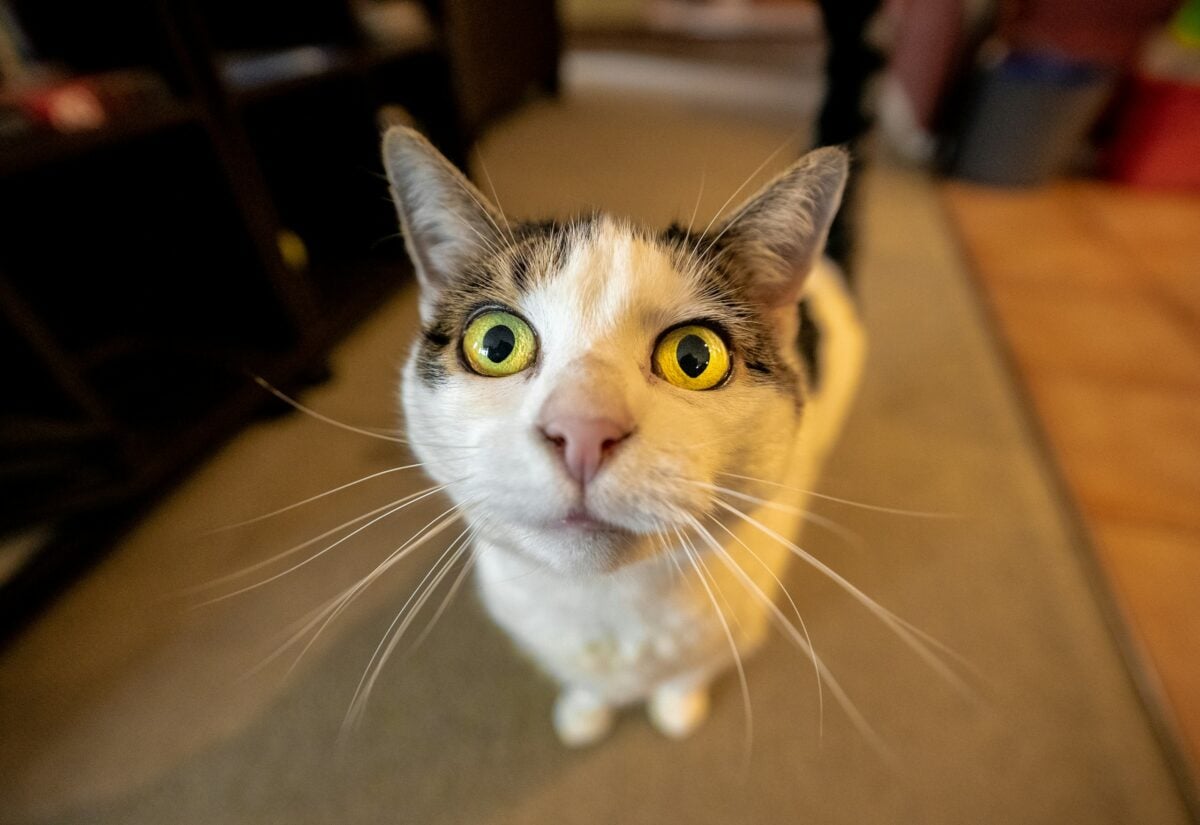
Start Here: Can Cats Eat Ice Cream?
Yes, but most of them really should not. A tiny lick of plain ice cream is usually harmless for a healthy adult cat. Anything more than that can lead to stomach issues, and some flavors contain genuinely dangerous ingredients.
Before you share that spoon, here’s a quick breakdown.
Safe vs Risky vs Dangerous
- Usually okay: A small lick of plain vanilla ice cream with no add-ins
- Not a great idea: A small serving or repeated treats of regular, dairy-heavy ice cream
- Avoid completely: Chocolate or coffee flavors; anything with xylitol or artificial sweeteners
What Happens If Your Cat Eats Ice Cream?
At first, nothing. Your cat licks the spoon, seems completely fine, and you assume it was no big deal. A few hours later, the problems start.
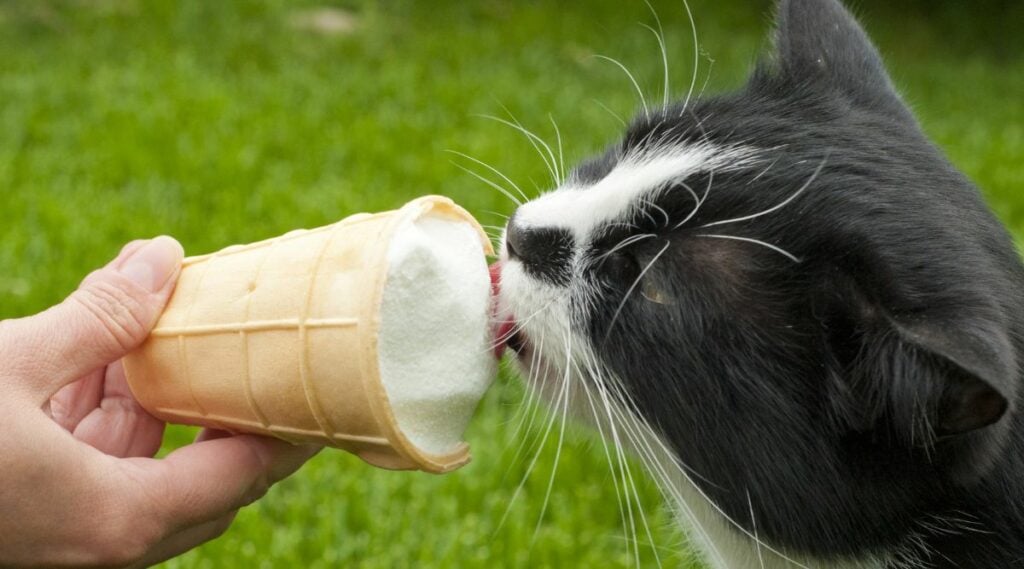
Most adult cats are lactose intolerant, which means their bodies cannot properly break down the dairy in ice cream. Instead of being digested normally, it ferments in the gut. And if you or anyone you know has experienced lactose intolerance, you know that it can be quite, well, explosive.
Want our human-written content to rank above AI-generated garbage? Help us out by clicking this button!
What You Might Notice
The delay is what catches people off guard. Your cat may seem perfectly fine right after eating ice cream. As it moves through their digestive system, that is when the lactose starts causing problems:
- Gas and bloating
- Stomach discomfort or restlessness
- Diarrhea or loose stools
- Vomiting in more sensitive cats
Not every cat will react the same way. Some might handle a small amount without obvious symptoms, while others will have issues after just a few licks.
Remember, cats are small. What feels like a tiny serving to you can be a lot for a 10-pound cat.
When To Be Concerned
Most mild cases pass on their own within a day. But you should pay closer attention if you notice:
- Ongoing vomiting
- Severe diarrhea
- Signs of dehydration, like lethargy or dry gums
These are signs it is time to call your vet.
Quick Takeaway: Cats were not built for late-night ice cream runs. A tiny lick might lead to nothing. A few bites can easily turn into stomach issues later the same day.
Why Ice Cream Messes With Cats (It’s Not Just Dairy)
Most adult cats stop producing enough lactase, the enzyme needed to break down lactose, after kittenhood. That means dairy is not properly digested. Instead, it ferments in the gut, which leads to gas, discomfort, and diarrhea.
But dairy is only part of the problem.
Why Ice Cream Is Tough On Cats
- Lactose: Poor digestion leads to gas and diarrhea
- Fat: Can upset the stomach and contribute to weight gain
- Sugar: Adds empty calories with no nutritional benefit
Research Spotlight
A 2019 study found that cats regularly consuming cow’s milk had more frequent vet visits for gastrointestinal issues. When those same cats were switched to a lactose-free diet, symptoms improved within three weeks and resolved completely by six weeks.
In other words, even small amounts of dairy can add up over time.
The Ingredients That Make Ice Cream Risky (Or Dangerous)
It is not just the dairy you have to think about. Many ice cream flavors include ingredients that can be harmful or even toxic to cats. What looks like a harmless spoonful can quickly turn into something much riskier depending on what is in it.
Ingredients To Avoid Completely
These are the ones that should never be shared, even in small amounts:
- Chocolate: Contains theobromine, which is toxic to cats
- Xylitol: An artificial sweetener that can cause serious, rapid health issues
- Coffee or espresso flavors: Contain caffeine, which is toxic to pets
If your ice cream includes any of these, it is an automatic no.
Ingredients That Can Cause Problems
These are not toxic, but they can still upset your cat’s system:
- Heavy cream and milk: High in lactose and difficult to digest
- Added sugars and syrups: Empty calories that can lead to weight gain and digestive issues
- Thickeners and gums: Ingredients like carrageenan, xanthan gum, or guar gum may trigger stomach upset in sensitive cats
These are the ingredients that turn a “tiny treat” into a not-so-great idea.
The Sneaky Risk: Mix-Ins
Ice cream often includes extras like nuts, caramel, cookie chunks, and candy pieces. Even if the base flavor seems safe, these add-ins can introduce fats, sugars, or ingredients that are harder for your cat to handle.
Why Cats Act Obsessed With Ice Cream
It looks like your cat has a serious sweet tooth. In reality, they cannot even taste sweetness. Cats lack the taste receptors needed to detect sugar, so why are they so obsessed with ice cream?

What Your Cat Is Actually Interested In
- Fat content: Ice cream is rich and creamy, which cats find appealing
- Texture: Smooth, soft foods are easy and satisfying to lick
- Temperature: The cold sensation is novel and interesting
To your cat, it’s a rich, unusual food that has a smell worth investigating.
The Real Reason: You’re Eating It
This is the biggest factor. Cats are naturally curious, especially when you are focused on something.
If you are sitting there enjoying a treat, your cat assumes it must be important. That is why they show up the second you open the carton and stare like they have been personally invited.
It Can Quickly Become A Habit
If your cat gets a lick once, they will remember. Repeat it a few times, and now you have a routine. What starts as a one-time “this is cute” moment can turn into a nightly expectation very quickly.
Watch: Everyone deserve a little treat, but remember, moderation is key.
The One-Lick Rule: When It’s Fine vs Not Worth It
A single lick of plain ice cream is unlikely to cause harm for a healthy adult cat. Anything more than that quickly moves into “not worth it” territory.
It is the difference between a moment and a habit.
When A Lick Is Probably Fine
- Your cat is healthy with no history of stomach issues
- The ice cream is plain and free of add-ins
- It is a one-time thing, not a routine
In this situation, the worst outcome is usually mild digestive upset or nothing at all.
When It Starts Becoming A Problem
- You give more than a small lick
- It becomes a regular treat
- The ice cream includes sugar, cream, or mix-ins
This is where the risk of stomach issues goes up, even if your cat seemed fine the first time.
When You Should Not Give Your Cat Ice Cream At All
Skip it entirely if:
- Your cat has a sensitive stomach or a history of digestive issues
- Your cat is overweight or prone to weight gain
- Your cat is a kitten
- The ice cream contains chocolate, caffeine, or artificial sweeteners
- You are not sure what is in it
This is where “just one lick” stops being harmless and starts being a risk.
Better Frozen Treats That Actually Make Sense For Cats
If your cat insists on being part of ice cream night, there are better ways to include them that will not lead to digestive regret later. The goal is to give them the same experience without dairy, sugar, or other risky ingredients.
Easy Store-Bought Options
If you want something convenient, look for treats made specifically for cats:
- Freezable puree treats: Lickable tubes can be chilled or frozen for a similar texture
- Cat-safe “ice cream” mixes: Often made with goat milk (naturally lower in lactose than cow’s milk) or broth-based formulas
- Frozen wet food portions: Many cats enjoy their regular food slightly chilled
These options are designed with a cat’s digestive system in mind, not a human’s.
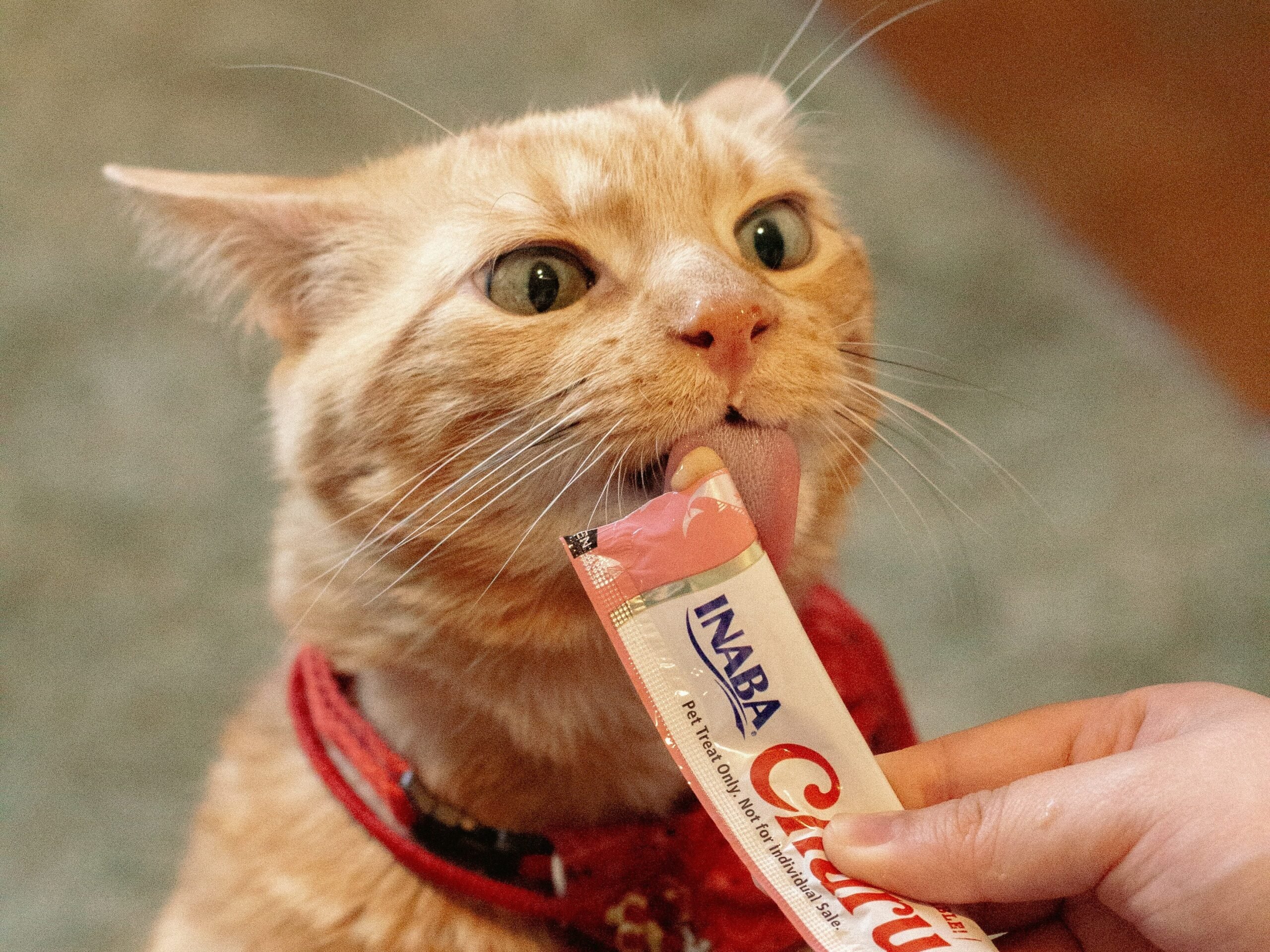
The Simplest At-Home Option
You don’t need a lengthy recipe to make a “cat ice cream” your pet will enjoy:
- Spoon your cat’s wet food into a silicone ice cube tray
- Add a little water or low-sodium broth
- Freeze and serve one cube at a time
That is it. Same cold, creamy feel. None of the unnecessary extras.
If You Want To Upgrade It Slightly
For a more treat-like version:
- Use plain goat milk in small amounts if your cat tolerates it
- Freeze lickable treats for a popsicle-style snack
Watch: Skip the ice cream and give your cat a frozen puree treat instead. This version uses a popsicle stick so it is easier for them to lick.
Frequently Asked Questions
Still wondering if your cat is secretly a dessert lover? Here are the quick answers to the most common questions.
Don’t see your question? Respond in the comments, and we’ll get back to you!
Do Cats Like Ice Cream?
Sometimes, but not for the reason you think. Cats cannot taste sweetness, so they’re not enjoying the sugar.
What they respond to is the fat, texture, and smell, plus the fact that you are eating it. For many cats, that alone is enough to make it seem irresistible.
Can Kittens Eat Ice Cream?
No, it is best to avoid it. Kittens can handle lactose slightly better than adult cats, but ice cream is still high in fat and sugar.
At this stage, their diet should stay focused on proper nutrition for growth, not treats that offer no real benefit.
What If My Cat Already Ate Ice Cream?
Don’t panic. A small amount will usually pass without serious issues. Keep an eye on your cat for signs of stomach upset, like diarrhea or vomiting, over the next several hours.
If symptoms are severe or do not improve within a day, contact your veterinarian.
Is Lactose-Free Ice Cream Safe For Cats?
It is less likely to cause digestive upset, but it is still not a great choice. Even without lactose, ice cream is high in fat and often contains added sugars or ingredients that are not ideal for cats.
It is better to stick with cat-specific treats or simple frozen alternatives.
Can Cats Eat Non-Dairy Ice Cream?
Many non-dairy ice creams contain ingredients like artificial sweeteners, added sugars, or flavorings that can still cause problems. Always check the label carefully before assuming it is safe.
Why Does My Cat Beg For Ice Cream Every Time I Have It?
If your cat has ever gotten a lick, they will remember. Cats are quick to form routines, especially around food.
Ignore it a few times, and the behavior usually fades. Give in regularly, and it becomes an expectation.
If You Want To Treat Your Cat, Do This Instead
If you are looking for safer ways to treat your cat, start here:
- What Human Foods Can Cats Eat?: What is safe, what to avoid, and a few surprises
- Easy Homemade Cat Treat Recipes: Simple, cat-friendly options you can make at home
- Best Dental Treats For Cats: A treat that actually supports their health


