When you purchase through links on our site, we may earn a commission at no extra cost to you. Learn more.
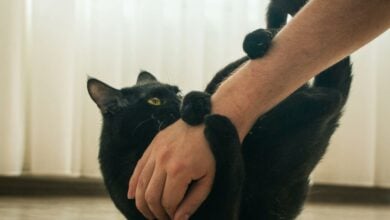
I gave my cat one tiny pill the vet prescribed, and 30 minutes later, she was wobbling like she forgot how legs worked. She couldn’t stand straight. Her eyes were glassy. I thought she was having a seizure.
Table of Contents
It was gabapentin. Here’s what it did, why it happens, and how to know if it’s normal or an emergency.
Why Is My Cat Wobbly After Gabapentin?
If your cat is suddenly walking like they’re tipsy or sliding around like Bambi on ice, gabapentin is probably doing exactly what it’s designed to do, just a little too well.
Gabapentin is a neurological medication that works by calming overactive nerves, designed to treat seizures and chronic pain in humans.
Want our human-written content to rank above AI-generated garbage? Help us out by clicking this button!
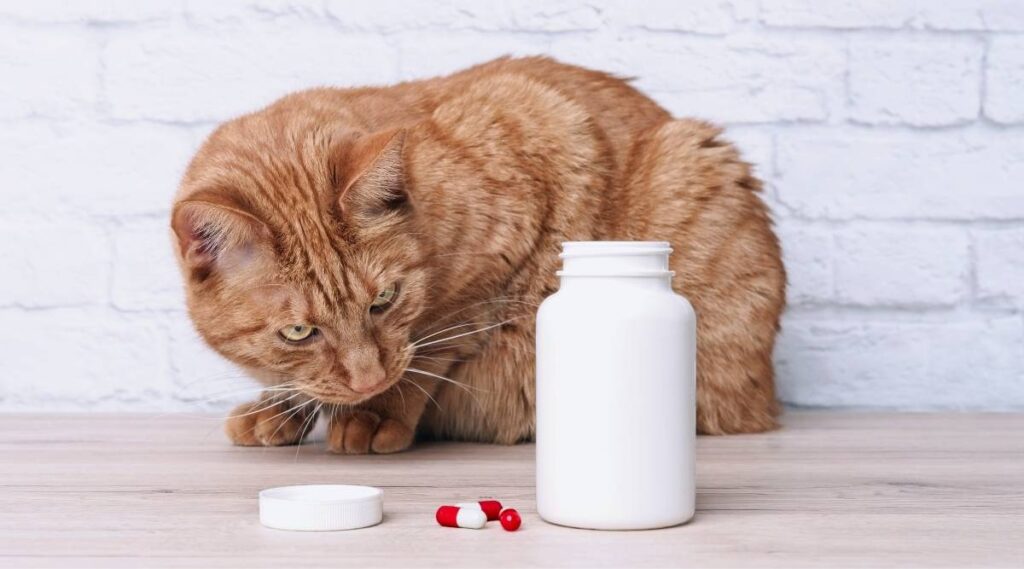
Veterinarians use gabapentin “off label” or “extra label” for animals, meaning drug use for cats and dogs isn’t listed on the label but is permitted according to the U.S. Food and Drug Administration (FDA) requirements.
In cats, that calming effect can sometimes go overboard, especially if they’re sensitive or it’s their first dose. What you’re seeing isn’t uncommon:
- Wobbly legs or stumbling
- Trouble jumping or standing
- Slow, sleepy reactions
- Weird staring or dazed expression
This happens because gabapentin slows down nerve signals, including the ones that help your cat balance and coordinate their movements. Think of it like your cat’s body pressing a giant “chill out” button… all at once.
Quick Tip: It is essential to follow your veterinarian’s instructions when giving this drug to your cat, as your vet’s directions may differ significantly from what is shown on the label.
Next up: Wobbliness isn’t the only strange reaction gabapentin can trigger in cats. From wide eyes to drooling to acting totally spaced out, here’s a full list of side effects and which ones mean you should call the vet.
Common Side Effects Of Taking Gabapentin For Cats
Gabapentin isn’t just a pain reliever; it affects your cat’s entire nervous system. That’s why some side effects can be surprising… or straight-up weird.
While the wobbly walking is one of the most noticeable reactions, here’s what else you might see after giving gabapentin, and how to tell what’s normal versus what’s not.
Side effects that are usually nothing to worry about:
- Excessive sleepiness or zoning out
- Dilated pupils (wide eyes)
- Mild drooling or smacking their lips
- Refusing food or treats temporarily
- Low energy or hiding in odd spots
- Edginess or excitability
- Increased appetite
- Slow response to voice or touch
Quick Tip: If your cat is calm, breathing normally, and just acting a little “off,” it’s probably the gabapentin kicking in. Let them rest somewhere quiet and keep an eye on them.
Red Flag Side Effects (Contact Your Vet)
Side effects that mean you should call your vet:
- Repeated vomiting, dry heaving, or diarrhea
- Limpness, unresponsiveness, or glassy eyes
- Panting, labored breathing, or open-mouth breathing
- Agitation or sudden aggression
- Tremors, twitching, or seizure-like movements
- Collapse or inability to hold their head up

Cats with liver or kidney disease should use gabapentin with caution, as the side effects may last longer.
Quick Tip: If anything feels off or your cat isn’t bouncing back within a few hours, it’s always safest to get your vet on the phone.
Next up: How long these side effects usually last and when they might signal something more serious.
How Long Do Side Effects Last?
Most side effects from gabapentin in cats wear off within 6 to 12 hours. But depending on your cat’s age, size, health, and dose, it might take longer, especially after the first time.
Here’s a general idea of what to expect:
- Sleepiness: 8 to 12 hours
- Wobbly walking or poor balance: 4 to 8 hours
- Dilated pupils or spaced-out behavior: 6 to 10 hours
- Mild nausea or appetite loss: a few hours to half a day
If it’s your cat’s first dose, the side effects can feel stronger and last a bit longer. Their system may need time to adjust, especially if they’re small or have a slower metabolism.
Gabapentin is typically out of your cat’s system within 24 hours. But if the side effects last longer than 12–16 hours or seem to get worse instead of better, it’s time to call your vet.

Up Next: Ready to try gabapentin again but hoping for a smoother ride this time? Here are six simple tips to make dosing safer, easier, and way less stressful for both of you.
Giving Gabapentin to Your Cat: 6 Tips
Tips for Safer, Calmer Doses
Gabapentin can work wonders for cats in pain or panicking before a vet visit. But if you’ve seen your cat wobble, stare blankly, or crash for 12 hours after one pill, it’s fair to want to do things differently next time.
Here are some vet-informed tips (and a few cat-parent hacks) to make dosing smoother, safer, and way less stressful:
1. Give it With Food if Possible
Gabapentin is absorbed better on an empty stomach, but food can help cushion side effects like nausea or sudden sedation. A small treat or spoonful of wet food right before or after can make a big difference.
2. Try a Smaller Dose First
If your cat had a dramatic reaction, talk to your vet about starting lower next time. Some cats need just 50% of the “standard” dose, especially if they’re older or sensitive.
3. Use a Pill Pocket or Hide it in Something Tasty
Tuna, Churu, or pill paste can help hide the taste (gabapentin liquid is famously bitter), and pill pockets do a great job of hiding pills. If your cat refuses pills, ask for a compounding pharmacy version in a flavor they’ll tolerate.
4. Stay Close & Monitor
You don’t need to hover, but don’t give the dose and walk out the door either. Watch for wobbly walking, sedation, or other unusual behavior, especially the first time.
5. Give it Early Before Stressful Events
If you’re using it for anxiety or travel, give gabapentin 90–120 minutes ahead. Some cats take longer to show the effects, and giving it too close to the event can reduce its calming benefits.
6. Keep a Log
Write down the dose, time, and how your cat reacted. That way, you and your vet can make safer adjustments over time.
Quick Tip: Remember to store your medicine out of reach of your cat and safely dispose of any unused medication.
Next up: Some cat owners give gabapentin for pain, others for anxiety. Here’s what to expect if you’re using it for stress or vet visits.
Gabapentin for Anxiety & Vet Visits
What to Expect
Gabapentin isn’t just used for pain; it’s also a go-to option for helping cats chill out before stressful situations like car rides, grooming, or vet visits.
But it doesn’t work the same for every cat. Some get super sleepy. Others just slow down a bit. Here’s what to expect when using gabapentin for anxiety instead of physical pain:
1. Give It 90 to 120 Minutes to Kick In
Gabapentin works slowly, so timing matters. If your vet appointment is at 3 PM, aim to give the dose between 1:00 and 1:30 PM. If you give it too late, your cat might still be on high alert when it counts.
2. Sedation Can Range From Mild to Strong
Some cats just get a little calmer, while others turn into a floppy noodle. Drowsiness, wobbly walking, or zoning out are common. If the sedation feels too strong, talk to your vet about lowering the dose next time.
3. It May Dull Reactions, Not Erase Fear
Gabapentin doesn’t eliminate anxiety; it dampens the nervous system’s response. Your cat might still hide or hiss, but they’re less likely to panic or bolt. Think of it as turning the volume down on their stress.
4. Don’t Mix With Other Meds Without Vet Approval
Adding CBD, trazodone, or other calming products can lead to over-sedation. Always ask your vet before combining anything with gabapentin, even natural supplements.
5. Do a Trial Dose on a Calm Day
If it’s your cat’s first time taking gabapentin, consider testing it on a quiet day at home. That way, you’ll know how they react before adding the chaos of a vet visit or travel.
Quick Tip: Always discuss benefits and potential risks before beginning a new treatment. You may also want to explore natural alternatives to gabapentin, which you can read about later in this article.
Next up: Let’s break down how much gabapentin is too much and what a typical safe dose looks like for cats.
How Much Gabapentin Should My Cat Take?
Follow your vet’s guidance for gabapentin dosage. Your vet will prescribe a specific dose based on your cat’s health history, age, and weight.
If your cat uses gabapentin for seizures, your vet will most likely recommend a dosage of 2.5 to 5 milligrams per pound every eight to 12 hours. For pain management, expect a dose of 1.5 to 5 milligrams per pound every 12 hours.
A safe gabapentin dosage will not exceed 50 to 100 milligrams per day.
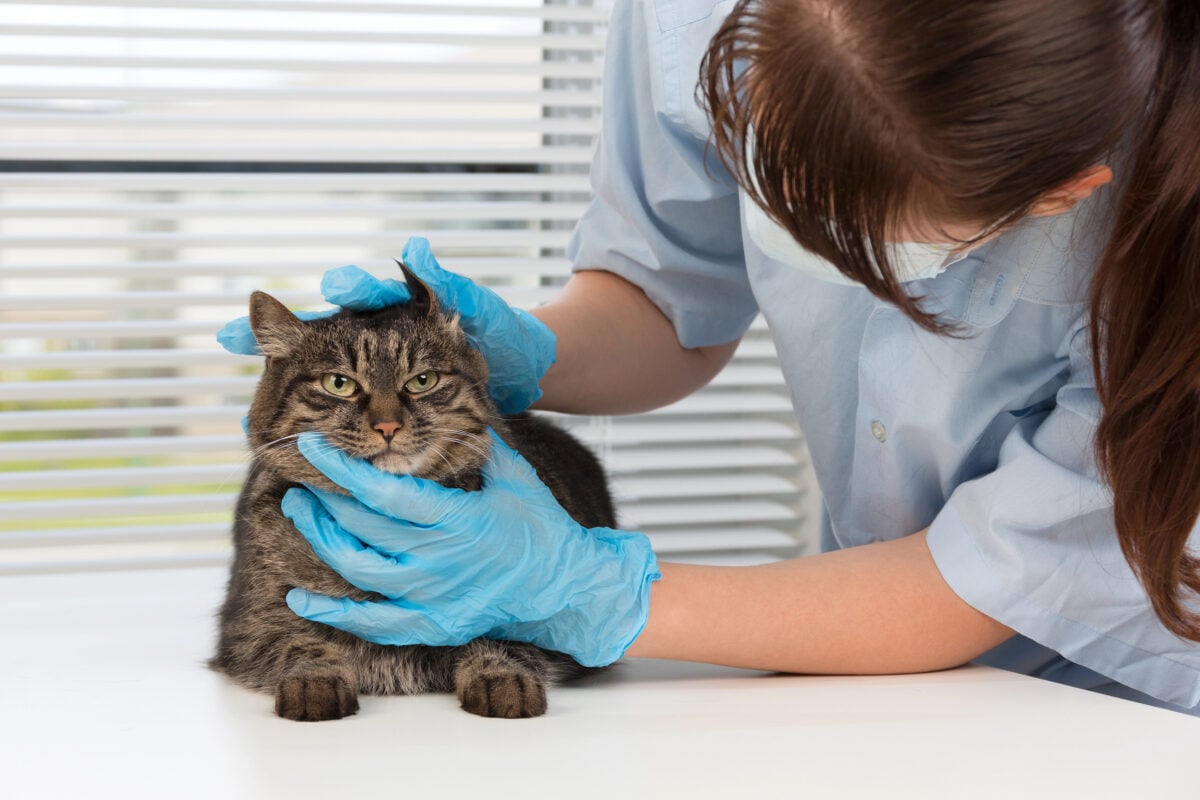
Signs of Gabapentin Overdose in Cats
Gabapentin overdose is a severe health risk and can lead to seizures, coma, and death. Never give your cat more than the prescribed dosage of gabapentin.
Contact your veterinarian immediately if you believe your cat has overdosed on gabapentin. Your vet will monitor your cat closely and provide additional support. Even if the dose is technically safe, your cat might react strongly. Watch for:
- Extreme sedation or unresponsiveness
- Inability to walk or hold up their head
- Slow or shallow breathing
- Vomiting or drooling
- Cold paws or limpness
Next up: Missed a dose or accidentally gave too much? Here’s what to do if you messed up the timing or doubled up by mistake.
Missed or Extra Dose?
Here’s What to Do
Accidentally skipped a dose or gave your cat a second one by mistake? You’re not alone. This is one of the most common concerns gabapentin-using cat owners have. Here’s how to handle it calmly and safely.
1. If You Missed a Dose
If you forget to give a scheduled dose:
- Don’t double up to “catch up.”
- Just give the next dose as planned.
- Missing one dose won’t usually cause any harm, especially for anxiety or short-term use.
For cats on gabapentin for chronic pain, consistency matters more, so try to get back on schedule and let your vet know if doses are missed frequently.
2. If You Gave a Double Dose
Gave a second dose by mistake or too close together? Here’s what to do:
- Stay calm, many cats tolerate an extra dose without serious issues.
- Monitor your cat closely for the next 12 hours.
- Watch for signs of over-sedation: extreme drowsiness, wobbly walking, limpness, or slow breathing.
- If your cat seems unresponsive, has trouble breathing, or vomits repeatedly, call your vet or an emergency clinic right away.
3. Call If You’re Not Sure
Even if your cat seems fine, it’s okay to call your vet just to be safe, especially if they have other health issues (like kidney or liver problems) that could slow drug clearance.
4. Keep a Dosing Log
To avoid future mix-ups, keep a notebook or phone reminder with the dose, time, and who gave it. This is especially helpful if more than one person is caring for your cat.
Next up: Can gabapentin be combined with other medications or supplements, or is that a recipe for trouble? Here’s what you need to know before mixing anything.
Is It Safe to Combine Gabapentin With Other Meds?
Gabapentin is often just one piece of a treatment plan, especially for senior cats or those dealing with chronic pain, anxiety, or illness. But combining it with other meds (even natural ones) can create issues if you’re not careful.
Here’s what you need to know about mixing gabapentin with other treatments.
1. Always Ask Before Mixing
Even if something seems mild, such as a calming supplement or an herbal oil, check with your vet first. Gabapentin affects the nervous system, so stacking it with other sedatives can cause over-sedation or breathing issues.

2. Common Combinations to Be Cautious With
- Meloxicam (or other NSAIDs): Often safe when prescribed together, but both can affect kidney function. Vets may adjust doses.
- Trazodone: Another sedative used for anxiety. Can be combined in some cases, but only under supervision.
- CBD or hemp oil: May interact with gabapentin’s sedative effects. Start with low doses (if approved) and monitor closely.
- Prednisolone or steroids: Generally not sedating, but may affect how your cat metabolizes other drugs. Your vet should know about both.
3. Watch for Amplified Side Effects
Combining meds may lead to:
- Extra drowsiness
- Loss of coordination
- Low appetite
- Slower breathing
- More intense “spacing out” or confusion
If anything seems off after starting a combo, call your vet immediately.
4. Keep Your Vet in the Loop
Even if a product is “natural” or over-the-counter, your vet needs to know. They can spot potential interactions or suggest safer timing between doses.
Next up: Let’s talk about how to help your cat recover comfortably and when to know they’re back to normal.
How to Help Your Cat Feel Better: 5 Vet Tips
Whether your cat had a strong reaction to gabapentin or just seemed “off” for a few hours, it’s totally normal to want to help them recover and feel safe again.
Here’s how to support your cat after a dose, especially if it hit harder than expected.
1. Create a Soft, Quiet Rest Spot
Give your cat a cozy, low space to nap where they won’t fall or stumble. Avoid stairs, couches, or high perches for the next few hours, as they might not be steady enough to jump safely.

2. Dim the Lights & Reduce Noise
Cats coming down from sedation may be extra sensitive to lights and sounds. A quiet, darker room with their favorite blanket or bed can help them rest undisturbed.
3. Offer Water & Easy Snacks
Some cats won’t eat for a few hours post-gabapentin, and that’s okay. But make sure fresh water is always nearby. Try a bit of tuna water or their favorite treat to tempt them if needed.
4. Don’t Overhandle Them
If your cat seems sleepy, dazed, or off-balance, resist the urge to keep checking on them physically. Let them rest; excessive handling can cause stress or disorientation.
5. Keep Watch, But Don’t Panic
Keep an eye on their breathing, coordination, and responsiveness. If they’re improving gradually, that’s a good sign. But if symptoms last more than 12 hours or worsen, call your vet to be safe.
Quick Tip: Gabapentin usually wears off within a day, and by then, most cats bounce back to their usual selves as if nothing happened.
Next up: Want to explore gentler alternatives to gabapentin that don’t knock your cat out? Let’s look at a few natural calming options that some pet owners swear by.
7 Natural Calming Alternatives
That Doesn’t Knock Them Out
Gabapentin works, no question. But if you’re looking for gentler ways to calm your cat without turning them into a sleepy potato, these natural options might be worth exploring.
Depending on your cat’s need for gabapentin and the level of support required, there are several holistic remedies that may be a suitable alternative.
Always check with your vet before trying anything new, especially if your cat has other health conditions or is on medication.
1. L-Theanine
L-Theanine is an amino acid, and studies show that it promotes relaxation without sedation. It’s found in green tea and is used in both people and pets to reduce anxiety without side effects like drowsiness.
You can find L-theanine for cats in chewable treats or liquid form, and many cat owners use it before vet visits or travel.
2. CBD (Hemp-Derived Cannabidiol)
CBD, or cannabidiol, is a chemical derived from the hemp plant that can relieve many ailments, including anxiety, inflammation, and mild pain. CBD is also a neuroprotectant and may be used to treat epilepsy and seizures in cats. Always purchase a broad-spectrum CBD oil or treat for your cat.
Ensure the product is THC-free, as this phytochemical is toxic to cats. Start low and monitor closely as effects vary widely by cat.

3. Pheromone Sprays or Diffusers
These diffusers, like Feliway, release calming cat pheromones into the air, which can reduce stress, aggression, and tension. They’re great for multi-cat homes, nervous travelers, or cats adjusting to new environments.
4. Rescue Remedy
Bach’s Rescue Remedy is a homeopathic formula that supports natural stress and tension relief for pets. This formula contains five flower essences intended to help your pet overcome specific symptoms.
5. Valerian
Valerian root is a sedative herb that helps to relieve stress and anxiety for about 50% of cats. You can find cat-specific valerian root cuts, powders, and treats.
6. Turmeric
Turmeric root is rich in the compound curcumin, known for its anti-inflammatory properties. People use this supplement for various purposes, including preventing heart disease and cancer, and treating osteoarthritis, rheumatoid arthritis, and diabetes.
Turmeric may be beneficial for a cat suffering from mild to moderate arthritic pain. A study showed that supplementing turmeric shows a positive effect on a cat’s ability to groom, activity level, playfulness, and walk up the stairs.
7. Omega-3s
A quality omega-3 supplement supports your cat’s brain, eyes, heart, and skin, and is also excellent for joint support. This anti-inflammatory supplement may relieve swelling and stiffness while also increasing blood flow to help reduce joint pain.
Important Note: Just because it’s natural doesn’t mean it’s risk-free. Cats process supplements differently from humans, so always double-check ingredients and dosages with your vet.
Final Thoughts
Gabapentin can be a valuable tool in treating your cat’s pain, seizures, and anxiety. For the safety of your feline, it is essential to follow your vet’s dosage instructions.
If your cat is allergic to gabapentin or has an adverse reaction to it, consult your veterinarian. There may be other pharmaceutical or phytomedicines to relieve your cat’s ailments.
Next up: Still have questions? Let’s hit the most common ones that cat owners ask about gabapentin, including whether it’s normal for your cat to act this weird after just one pill.
Frequently Asked Questions
Still feeling unsure? You’re not the only one. Gabapentin for cats can be confusing, especially the first time you give it. Most cat owners have at least one “Wait, is this normal?” moment.
Below are the most common questions people ask after giving gabapentin to their cat. If yours isn’t listed, drop it in the comments, and we’ll do our best to find the answer for you.

Does Gabapentin Make A Cat Sleepy?
Yes, gabapentin may make your cat sleep more. While this is one of the most common side effects, it is not universal. Your cat may not change their sleeping habits at all.
Do I Need To See A Veterinarian Before Giving Gabapentin To My Cat?
Yes, you should always consult your veterinarian before giving gabapentin to your cat. Your vet will need to prescribe a dosage specific to your cat’s weight, age, and health needs. As this is an off-label prescription, what you see on the bottle may not represent proper dosages for a cat.
Can I Give My Cat Gabapentin Without Food?
Yes, but giving it with a small amount of food can help reduce side effects like nausea or sedation. Ask your vet what’s best for your cat’s condition.
Why Can’t My Cat Walk After Taking Gabapentin?
Gabapentin is often used to sedate cats, and incoordination is a common side effect of using the medication in this way. If your cat is using gabapentin as a pain medication or for seizure control, not being able to walk could be a sign that the dose needs adjusting.
Is Gabapentin Good for Pain Management in Cats?
Often used in combination with anti-inflammatory and analgesic drugs, gabapentin is effective in treating pain in cats. In particular, gabapentin excels at treating nerve pain and can also be used for pain associated with arthritis and cancer.
Can I Give My Cat Gabapentin for Seizures?
Gabapentin is an anticonvulsant drug, so it’s especially effective in controlling seizures. Your veterinarian may prescribe gabapentin if your cat has epilepsy.
Will Gabapentin Give My Cat Diarrhea?
Gastrointestinal problems are not unusual for cats taking gabapentin. Make sure your cat has access to a clean litter box and water at all times. If your cat has consistent diarrhea for a few days, it’s time to call the vet.
Do I Need a Prescription for Gabapentin?
Yes. Gabapentin is a prescription-only medication. Never give it to your cat without a vet’s guidance, as the wrong dose can be dangerous.
Is Gabapentin Safe for Long-Term Use?
It can be, especially for managing chronic pain. However, your vet should monitor your cat regularly to adjust the dose or check for side effects over time.
Curious Cat Questions? We’ve Got You Covered
Still in cat-parent mode? We’ve answered some of the internet’s weirdest (and most searched) feline questions. Find out what really happens if your cat is left in a dark house for hours, and why some cats suck on blankets like they’re still kittens.
Wondering why your cat’s ears feel hot sometimes? We explain when it’s harmless and when it’s not. And if your curious kitty keeps sniffing your plate, here’s a full guide to what human foods are actually safe for cats. Click around, learn something new, and keep your cat safer, calmer, and happier.
Have You Given Your Cat Gabapentin? We’d love to hear your experience, including the good, the weird, and everything in between. Did your cat get the zoomies? Melt into a puddle? Walk like a fuzzy little drunk? Drop your story in the comments because it might help other cat parents know what to expect!