
When you purchase through links on our site, we may earn a commission at no extra cost to you. Learn more.
Choosing pet insurance for your Ragdoll cat is not just about finding the lowest monthly premium. It is about choosing a provider that understands the breed’s size, temperament, and long-term health risks and actually shows up when something goes wrong. Below are the pet insurance companies that stand out for Ragdolls and how they compare for coverage, flexibility, and real-world reliability.
Table of Contents
| Insurer | Ranking |
|---|---|
 | Best Overall |
 | Best Dental Coverage |
 | Best For Unlimited Payouts |
 | Highest Reimbursement Coverage |
 | Best Behavioral Coverage |
 | Fastest Reimbursement |
 | Best For Direct Vet Payments |
Pets Best Review

Pros
 Superior dental coverageNo upper age limitsPossible direct vet payments if the vet consentsOne of the most affordable options
Cons
 Exam fees & alternative therapy require an upgrade 6 month wait for cruciate ligament issues
Cat premiums average $21-$34/month
Ragdoll cats are not inexpensive to treat when something goes wrong, but Pets Best helps ensure you are not forced to choose between your cat’s care and your budget.
One of its biggest advantages is its flexibility regarding enrollment age. Many insurers quietly penalize older cats with higher rates or limited coverage. Pets Best does not. Whether you are insuring a playful kitten or adopting an adult Ragdoll later in life, coverage remains accessible.
Dental coverage is another standout. Pets Best includes dental illnesses, not just dental accidents. That matters for Ragdolls, who can be prone to periodontal disease and tooth resorption as they age. Many competitors exclude these conditions entirely unless an accident is involved.
Want our human-written content to rank above AI-generated garbage? Help us out by clicking this button!
The 14-day waiting period for hip dysplasia is also a major plus. Large, heavy-bodied breeds like Ragdolls face higher orthopedic risk, and most insurers require six months or longer before coverage kicks in for joint issues.
For cat owners who want broad coverage without inflated premiums or restrictive fine print, Pets Best remains one of the most practical and cat-parent-friendly options available.
Fetch Review

Pros
Alternative therapies, massage therapy, supplements & exam fees includedSuperior dental coverageCoverage starts at 6 weeks oldClaims back in as little as 2 days
Cons
6-month wait for cruciate ligaments & hip dysplasia
Sample cat rate: $23.75*
Ragdolls are known for their size, sweetness, and, unfortunately, a higher-than-average risk of dental issues as they age. Tooth resorption, gingivitis, and painful extractions are not edge cases for this breed. They are common enough to plan for.
Fetch actually treats dental disease like the medical issue it is.
Instead of limiting coverage to dental accidents, Fetch covers dental illness, including gum disease, oral infections, and tooth resorption. Many insurers either exclude these conditions outright or require extensive documentation of prior cleanings. Fetch keeps it straightforward and does not bury coverage behind extra add-ons or unreasonable hoops.
That matters for Ragdoll owners. Dental disease is not cosmetic, optional, or rare in large, slow-maturing cats. It is a realistic health risk that can escalate quickly and get expensive fast.
Fetch also stands out for owners who prefer a proactive, whole-care approach. Coverage can extend to exam fees, supplements, acupuncture, and massage therapy. For a breed that often lives long, heavy-bodied lives, that flexibility is more than a nice perk.
Healthy Paws Review

Pros
Unlimited claim payouts available50% of claims paid within 2 daysShorter cruciate wait: Just 15 daysPossible direct vet payments if approved
Cons
12-month wait for hip dysplasia (and not covered if enrolled after age 6) No wellness plan available Limited coverage for senior pets
Sample cat rate: $15.83*
There’s no ceiling here, and that’s the entire point.
When a Ragdoll is diagnosed with a chronic condition, such as hypertrophic cardiomyopathy (HCM) or kidney disease, the costs are rarely one-and-done. They show up every year. Sometimes for life.
That is where Healthy Paws stands apart.
Healthy Paws does not impose annual, per-condition, or lifetime payout limits. If your Ragdoll racks up $20,000 or more in vet bills over the years due to ongoing care, that coverage does not quietly disappear once you hit a cap. It keeps paying.
Claims processing is another strong point. Many reimbursements are issued within 48 hours, and payments are typically deposited directly into your bank account, reducing friction in already stressful situations.
There is one important caveat. Cats enrolled at age six or older may face exclusions for certain conditions, depending on health history. But if you are insuring a kitten or a healthy adult Ragdoll, this policy offers one of the strongest long-term safety nets available.
For a breed known for size, longevity, and higher lifetime medical costs, unlimited coverage can matter more than almost any other feature.
Figo Review

Pros
1-day accident waiting period100% reimbursement option availableOne of the most affordable unlimited plansDiminishing deductible over time with no claims
Cons
Exam fee coverage costs extra (optional add-on) 6-month wait for orthopedic conditions
Sample cat rate: $20.96*
Figo is not just flexible. It is aggressive about reimbursement, and that matters when vet bills climb fast.
With its 100% reimbursement option, Figo is one of the few providers that can fully cover eligible vet expenses after your deductible is met. When your Ragdoll needs advanced diagnostics, imaging, or long-term medication for conditions like hypertrophic cardiomyopathy (HCM) or kidney disease, that level of reimbursement can dramatically reduce out-of-pocket stress.
The flow is simple. You pay the vet, submit the claim, and Figo reimburses the rest according to your plan.
Figo also stands out for offering unlimited annual coverage at a relatively competitive price, which removes the anxiety of hitting a payout cap during a bad health year. For large, slow-maturing cats with higher lifetime medical costs, that combination of high reimbursement and unlimited coverage is hard to beat.
If maximizing reimbursement while keeping long-term costs predictable is your priority, Figo is a strong contender for Ragdoll owners who want control without compromise.

Another underrated perk is Figo’s diminishing deductible reward. If you go claim-free, your deductible automatically decreases over time. For owners with a healthy young Ragdoll, that quiet benefit can add up fast.
Yes, exam fee coverage is an optional add-on. But even without it, Figo remains appealing for cat parents who want straightforward reimbursement without mental math at the checkout counter.
For Ragdoll owners looking to balance generous coverage, high reimbursement potential, and long-term value, Figo continues to stand out as one of the more flexible options available.
Embrace Review

Pros
Behavioral therapy, alternative care, gum disease & tooth extractions all includedDiminishing deductible ($50 off each claim-free year)Short accident wait (2 days) Fast claims (avg. 5 days)
Cons
Only accident coverage available if enrolled after 15th birthday Exam fees and prescriptions cost extra (available via add-ons)
Cat premiums average $8-$38/month
Ragdolls may have a reputation for being laid-back, but that does not mean they are immune to behavioral issues. Their strong attachment to people, sensitivity to routine changes, and need for stimulation can sometimes show up as anxiety, overgrooming, stress-related behaviors, or inappropriate elimination.
That is where Embrace stands out.
Unlike most pet insurers, Embrace covers behavioral therapy as part of its core policy. That includes anxiety medications, consultations with veterinary behaviorists, and treatment for compulsive or stress-driven behaviors. For Ragdolls that struggle with separation anxiety or environmental stress, this coverage can be invaluable.
The benefits are not limited to behavioral health. Embrace also includes dental illness, such as gum disease and tooth extractions, along with alternative therapies like acupuncture and chiropractic care, without forcing owners into expensive add-ons.
Combine that with fast claims processing, a two-day accident waiting period, and a deductible that decreases each year you do not file a claim, and Embrace earns its reputation as one of the most balanced options for cats with higher emotional or medical needs.
For Ragdoll owners who want coverage that treats mental and physical health as equally important, Embrace offers a rare level of completeness.
Lemonade Review
Pros
Affordable, customizable plans tailored to your needsAI-powered claims processing = super fast payoutsBundling discounts with other Lemonade policies (home, renters, etc.)Donates to charities you choose
Cons
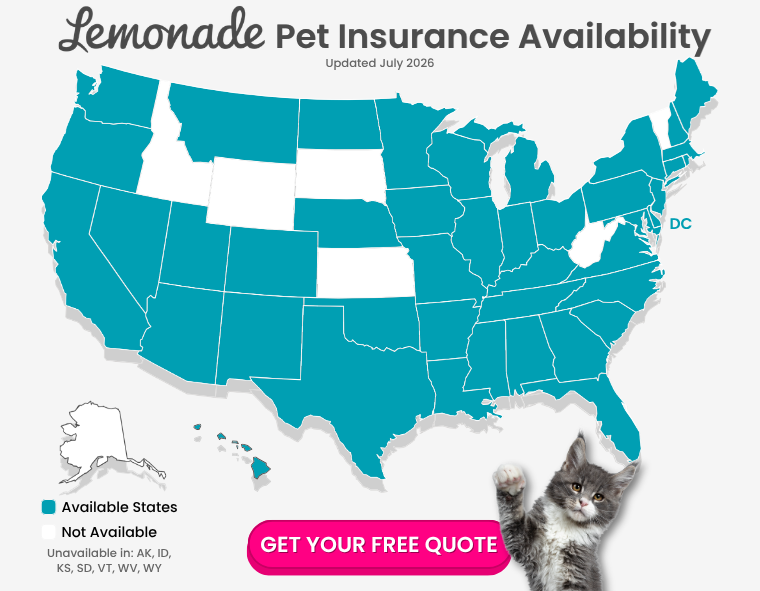
Limited availability (not offered in all states) Newer to pet insurance than many competitors
Cat premiums average $27/month
Emergencies do not just disrupt your schedule. They can seriously strain your finances. Lemonade is built to help you recover quickly.
Lemonade’s AI-driven claims system can process simple claims in seconds rather than days. In some cases, reimbursements are issued almost immediately after approval. When you are dealing with emergency diagnostics, imaging, or specialist care for a Ragdoll, speed is not a luxury. It directly affects cash flow and stress levels.
That matters for a large breed with higher average vet costs. Waiting weeks for reimbursement while balances sit on a credit card is not ideal, especially during ongoing treatment.
Lemonade also appeals to owners who value streamlined customization. Policies are easy to adjust, bundling with renters or homeowners insurance is seamless, and unused premiums can be donated to charities through its Giveback program.
If Lemonade is available in your state and your Ragdoll meets eligibility requirements, it is a strong option for owners who prioritize fast payouts, modern tools, and minimal administrative friction.
Think less paperwork, more peace of mind. And yes, fewer “did they get my claim?” refresh clicks.
Trupanion Review

Pros
Unlimited lifetime payouts on all plansVet Direct Pay — Trupanion pays the vet directly, no waiting for reimbursement30-day wait for cruciate ligament issues & hip dysplasia (shorter than some)Covers herbal therapy, naturopathy & homeopathy — no other provider does all three
Cons
Premiums are higher than many competitors No new enrollment after age 14 Exam fees not covered
Sample cat rate: $44.42*
When your Ragdoll is facing a medical crisis, reimbursement delays should not become a second emergency.
That is where Trupanion is fundamentally different.
With Vet Direct Pay, Trupanion pays participating veterinarians directly at checkout. Instead of covering a $4,000 emergency bill upfront and waiting weeks for reimbursement, you only pay your portion at the time of care. No claim forms. No reimbursement limbo. No panic-induced credit card decisions.
For large, higher-cost cats like Ragdolls, that immediate relief can be the difference between acting quickly and hesitating under financial pressure. It is the closest parallel to human health insurance in the pet space, and no other provider offers direct vet payment at this scale.
Trupanion also includes coverage for herbal and naturopathic treatments within its standard plan, rather than pushing them into optional add-ons. For owners who lean holistic or integrative in their approach to care, that is a meaningful extra.
Yes, premiums tend to run higher. But if your priority is eliminating upfront financial shock during emergencies, Trupanion is purpose-built for exactly that moment.
5 Common Health Issues In Ragdoll Cats
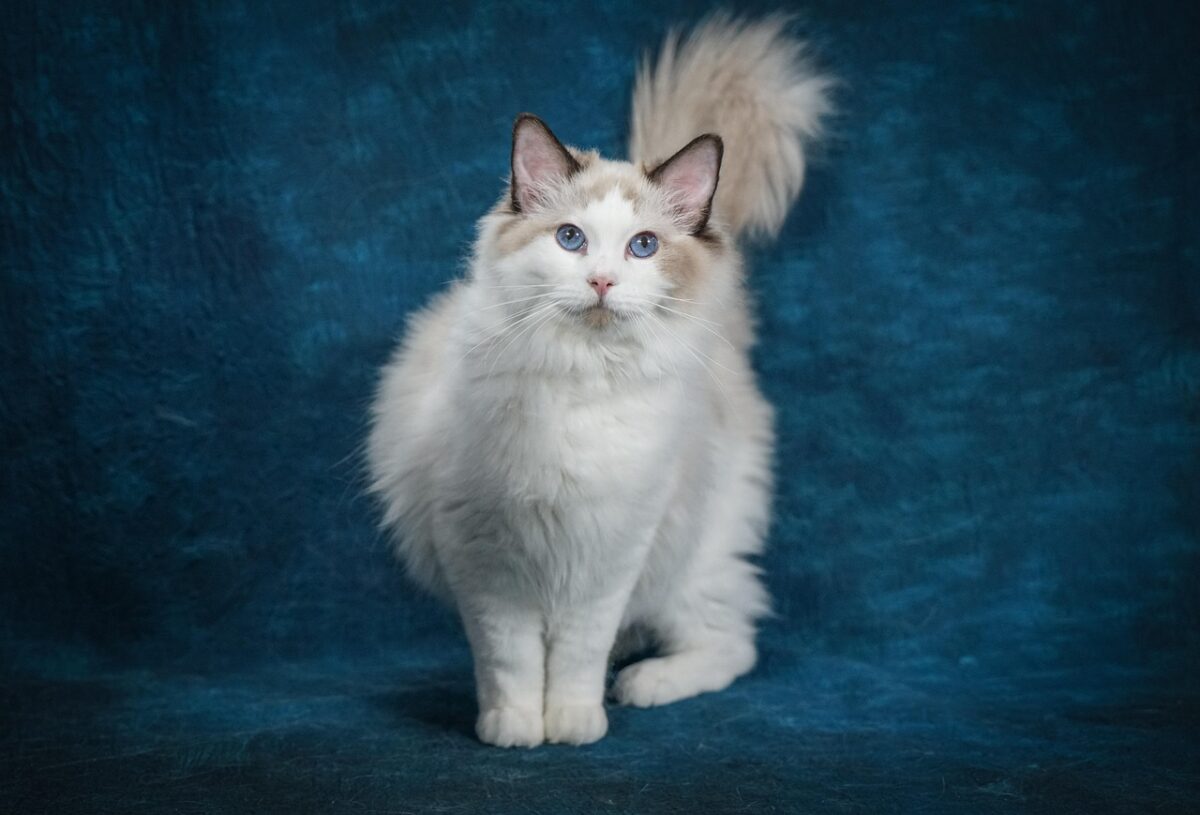
Ragdoll cats generally live 12-17 years. They are prone to some health conditions related to their size as well as genetics.
1. Hip Dysplasia
Hip dysplasia is not just a dog problem. It also shows up in large, heavy-bodied cat breeds, including Ragdolls.
This condition occurs when the hip joint develops abnormally, preventing the ball and socket from fitting together smoothly. Over time, that poor alignment leads to joint instability, chronic pain, arthritis, and in advanced cases, reduced mobility or reluctance to jump. Genetics play a major role, and Ragdolls’ slow growth and substantial adult size can put added strain on developing joints.
- Treatment: Anti-inflammatories, joint supplements, or major surgery
- Cost: $1,500 to $12,000+ depending on the procedure
- Insurance Tip: Many plans require a 6–12 month waiting period for this. Trupanion, Lemonade, and Pets Best offer shorter orthopedic wait times.

2. Arthritis
Arthritis occurs when one or more joints become inflamed and begin to degenerate, and it is extremely common in cats as they age. Large, heavy-bodied breeds like Ragdolls are especially vulnerable due to joint stress over time.
Ragdolls tend to mature slowly and carry more weight through their hips, knees, and spine. As cartilage wears down, joints become stiff and painful, which can lead to reduced mobility, reluctance to jump, and subtle behavior changes that are easy to miss.
- Treatment: Prescription pain medications (NSAIDs), joint supplements, weight management diets, physical therapy, or acupuncture
- Cost: Several hundred to a few thousand dollars per year, depending on treatment intensity
- Insurance Tip: Arthritis is typically covered under accident and illness plans if diagnosed after enrollment and waiting periods have passed. Plans that include alternative therapies like acupuncture or rehab can significantly reduce out-of-pocket costs.
3. Feline Diabetes
Feline diabetes mellitus occurs when the body cannot properly produce or respond to insulin, leading to dangerously high blood glucose levels. Most diabetic cats develop Type II diabetes, where insulin is present but ineffective.
Ragdolls may be at higher risk due to their size and tendency toward weight gain if activity levels drop. Symptoms often develop gradually and can include increased thirst, frequent urination, weight loss, and lethargy.
- Treatment: Daily insulin injections, prescription diets, regular glucose monitoring, and frequent veterinary checkups
- Cost: $150+ per month for insulin alone, plus ongoing vet visits and supplies
- Insurance Tip: Diabetes is usually covered if diagnosed after your policy begins. Long-term conditions benefit most from unlimited annual coverage, since treatment is lifelong.
4. Polycystic Kidney Disease (PKD)
Polycystic kidney disease is an inherited condition that causes fluid-filled cysts to form in the kidneys. These cysts are present from birth but grow slowly over time, eventually interfering with kidney function and leading to kidney failure.
Ragdolls can carry this genetic condition, and symptoms often do not appear until age seven or later, making early diagnosis difficult. Once clinical signs appear, the disease is typically advanced.
- Treatment: Prescription diets, fluid therapy, blood/urine tests
- Cost: $5,000+ over the cat’s lifetime
- Insurance Tip: Some plans offer genetic testing reimbursement if it’s linked to a diagnosis. Check exclusions.
5. Hypertrophic Cardiomyopathy (HCM)
Hypertrophic cardiomyopathy is the most commonly diagnosed heart disease in cats and is especially important for Ragdoll owners to understand. The breed has a known genetic predisposition, increasing lifetime risk.
HCM causes the walls of the heart to thicken, reducing its ability to pump blood efficiently. This can lead to heart failure, fluid buildup, blood clots, or sudden cardiac events with little warning.
- Diagnosis: Echocardiogram ($1,000–$1,500), ECG, bloodwork
- Treatment: Lifelong meds (average $300/month)
- Insurance Tip: Covered by most accident & illness plans if diagnosed after your waiting period and not as a pre-existing condition.
Is Pet Insurance Worth It?
If the idea of a $4,000 emergency vet bill makes your stomach flip, pet insurance may be one of the most meaningful decisions you make for your Ragdoll and for your peace of mind.
Ragdolls are affectionate, long-lived, and larger than average, which also means they are predisposed to some of the most expensive feline health conditions. From orthopedic issues and chronic kidney disease to lifelong heart medications that can run hundreds of dollars per month, the real question is not “Is pet insurance worth it”? It is “What happens if I do not have it when something goes wrong?”
Pet insurance gives you the ability to say yes to treatment based on medical need, not financial panic. It removes the moment where you are forced to weigh your cat’s quality of life against your bank balance.
But timing matters.
Pet insurance does not work retroactively. Once a condition is diagnosed, it is considered pre-existing and is almost always excluded from coverage going forward. That means enrolling early locks in protection you cannot add later.
There is also a financial advantage to starting young. Premiums are typically lower for kittens and young adult cats, and waiting can mean both higher monthly costs and fewer conditions eligible for coverage.
If you can comfortably absorb several thousand dollars in unexpected vet bills at any time, insurance may feel optional. But if you want long-term protection without gambling your savings, pet insurance is one of the most practical tools available for Ragdoll owners.
It is not about expecting the worst. It is about being ready for it.

5 Ways To Save Money On Pet Insurance
Saving money doesn’t mean skimping on protection. Here’s how smart Ragdoll parents cut costs without cutting corners.
1. Pay Annually, Not Monthly
Most insurers add a $1–$3 processing fee to each monthly payment. That’s up to $36 per year for nothing but convenience.
If you can budget for a once-a-year payment, annual billing eliminates those extra charges completely. It’s the easiest way to save without touching your actual coverage.
2. Use Multi-Pet Discounts
If you have more than one cat or a dog in the mix, you might qualify for a 5–10% discount per pet just by enrolling them together.
Some companies automatically apply this discount when you add a second pet. Others require you to ask. Either way, it can shave hundreds off your total if you’re insuring a multi-pet household.

3. Choose a Higher Deductible You Can Actually Afford
Raising your deductible can drop your monthly premium significantly. Many plans let you choose anywhere from $100 to $1,000.
But here’s the key: don’t just pick the highest number to save money short-term. Choose a deductible that you could confidently cover in an emergency without going into debt.
4. Opt for a Lower Reimbursement Rate
Most pet insurance plans let you choose between 70%, 80%, or 90% reimbursement. Lowering your rate to 70% or 80% can reduce your monthly premium noticeably.
It’s a smart move if you’re mainly using insurance as a backup for high-cost emergencies and don’t mind paying a bit more out of pocket for minor issues.
5. Think Twice About Wellness Add-Ons
Wellness plans cover routine care, like vaccines, annual exams, and flea prevention. But they don’t usually save you money. In many cases, you’re just prepaying for services you’d buy anyway.
Unless you want predictable monthly costs or plan to use every single benefit, skipping the wellness add-on can reduce your total premium while keeping emergency coverage strong.

5 Considerations When Choosing An Insurer
Not all pet insurance policies are created equal, and the fine print really matters when you’re insuring a Ragdoll.
Here’s what you need to look for before you hit “enroll.”
1. Waiting Periods Can Catch You Off Guard
Every plan has a built-in pause before coverage kicks in, it’s called a waiting period.
- Accidents: usually covered after 1–5 days
- Illnesses: typically take 14 days
- Orthopedic issues (like hip dysplasia): can require 6+ months with some providers
For a breed like the Ragdoll, prone to hip dysplasia and heart disease, those orthopedic waits really matter. Pets Best, Lemonade, and Trupanion have shorter wait periods.
Remember: Any condition that shows symptoms during the waiting period is permanently excluded from coverage. So don’t wait too long to enroll.
2. Age Restrictions Might Limit Your Cat’s Coverage
Most insurers let you enroll kittens at 6–8 weeks old. But for older cats, things get trickier.
- Some plans stop accepting new enrollments at age 14
- Others allow enrollment at any age but exclude certain conditions (like hip dysplasia)
If you’re insuring a senior Ragdoll, check the age rules carefully. You want a plan that protects against the issues older cats are most likely to face, not one that carves them out.

3. Understand What Type of Coverage You’re Buying
Not all plans cover the same things, and that can come back to bite you later.
Accident & Illness Plans
- The most comprehensive
- Covers injuries, infections, chronic diseases, cancer, surgeries, and more
- Best option for most Ragdoll parents
Accident-Only Plans
- Covers sudden physical injuries only (e.g., broken legs, swallowed objects)
- No coverage for illnesses like kidney disease or HCM
- Cheaper, but limited
Wellness Add-Ons
- Covers routine care: vaccines, exams, flea meds, etc.
- Not true insurance, just a prepaid bundle
- Only worth it if you’ll use every benefit

4. Your Monthly Price Depends on More Than You Think
Premiums aren’t random; they’re calculated using:
- Your cat’s breed, age, sex, and medical history
- Your zip code (vet care is more expensive in some areas)
- The deductible, reimbursement rate, and annual payout limit you choose
A higher deductible and lower reimbursement rate = cheaper premium.
But make sure it still covers worst-case scenarios.
Choose a configuration that fits your budget, but still protects you if you’re staring down a $5,000 surgery.
5. Every Plan Has Exclusions, Read Them
All pet insurance companies have a list of things they won’t cover. The most common are:
- Pre-existing conditions
- Dental disease (unless specified)
- Behavioral therapy (not always included)
- Orthopedic issues (often have longer wait periods)
For Ragdoll, orthopedic and genetic exclusions are critical. Always read the fine print, especially if your cat has had prior symptoms, even mild ones.
Peace of Mind Isn’t a Luxury, It’s a Lifeline
Ragdolls are more than pets. They are companions, shadows, and full-time household managers with strong opinions and long memories. When something goes wrong, whether it is a heart condition, joint issue, or an unexpected $3,000 surgery, cost should not be the factor that limits your choices.
Pet insurance is not just about saving money. It is about buying time, flexibility, and the ability to make medical decisions based on what is best for your cat, not what feels financially survivable in the moment.
Whether you are insuring a playful kitten or a dignified senior who still believes the couch belongs exclusively to them, the right policy can help protect both their health and your financial stability.
Because when your Ragdoll needs you, peace of mind is not optional. It is essential.
Want to compare more options side by side?
See our full guide to the best pet insurance plans for cats →


