
When you purchase through links on our site, we may earn a commission at no extra cost to you. Learn more.
Cats and milk look like a perfect match, but many cat owners find out the hard way that the old storybook image does not match real-life biology. A cat may lap up milk with total joy, only to deal with stomach trouble hours later. This often leaves owners wondering whether almond milk might be a gentler, safer alternative.
Table of Contents
With plant milks everywhere in human kitchens, it is natural to wonder whether your cat can enjoy a tiny splash too. The answer is not as simple as it seems, and the real story behind cats and milk is more interesting than most people expect.
Before pouring anything into your cat’s dish, it helps to understand what is happening inside their body and why milk causes so much confusion.
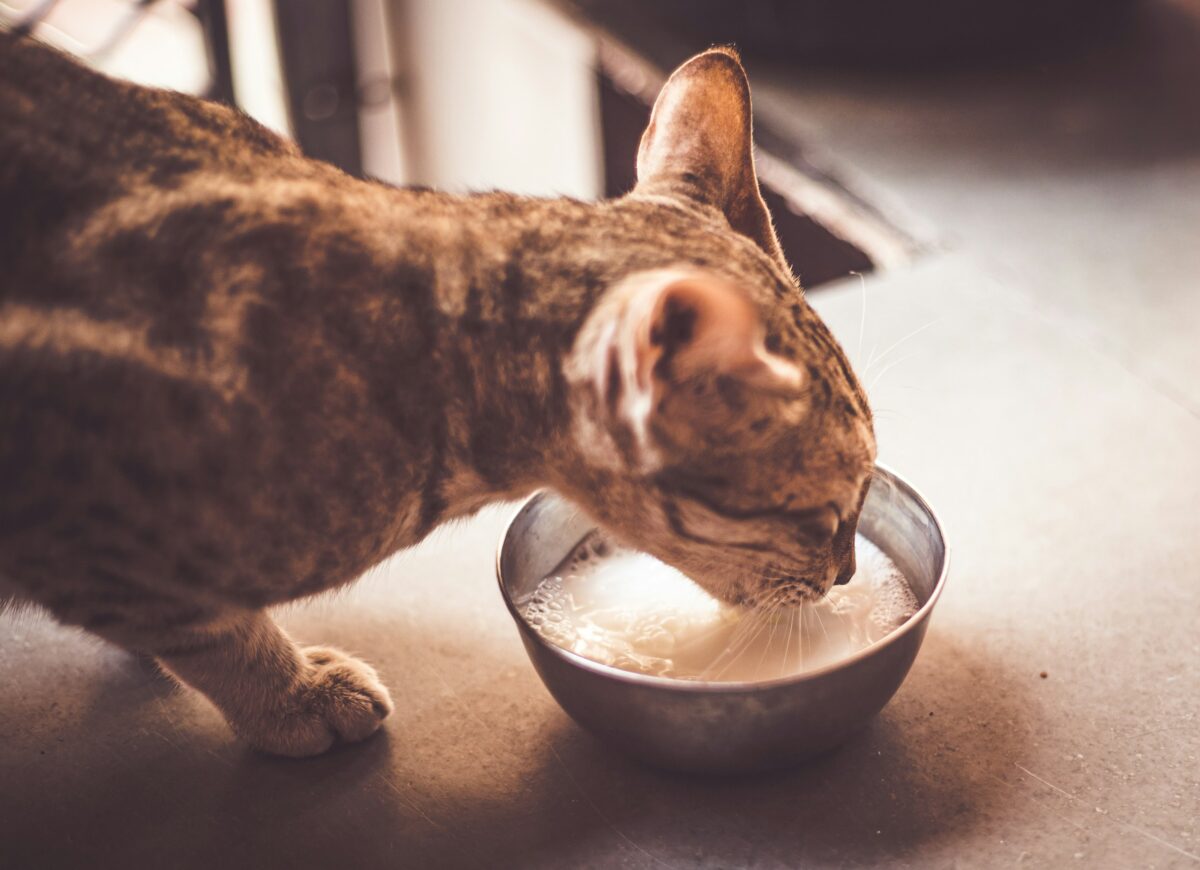
Why Cats Struggle With Regular Milk
Kittens can digest milk because they produce lactase, the enzyme that breaks down lactose. As they grow, their bodies drastically reduce lactase production.
Want our human-written content to rank above AI-generated garbage? Help us out by clicking this button!
Most adult cats cannot digest dairy at all, even though the taste is often irresistible.
Common symptoms after drinking milk include:
- Gas
- Loose stools
- Diarrhea
- Abdominal discomfort
- Lethargy
- Dehydration in severe cases
These symptoms can appear hours later, so many owners do not connect the reaction to the milk.
Quick Takeaway: Most adult cats cannot digest dairy. Milk cravings do not mean milk is safe.
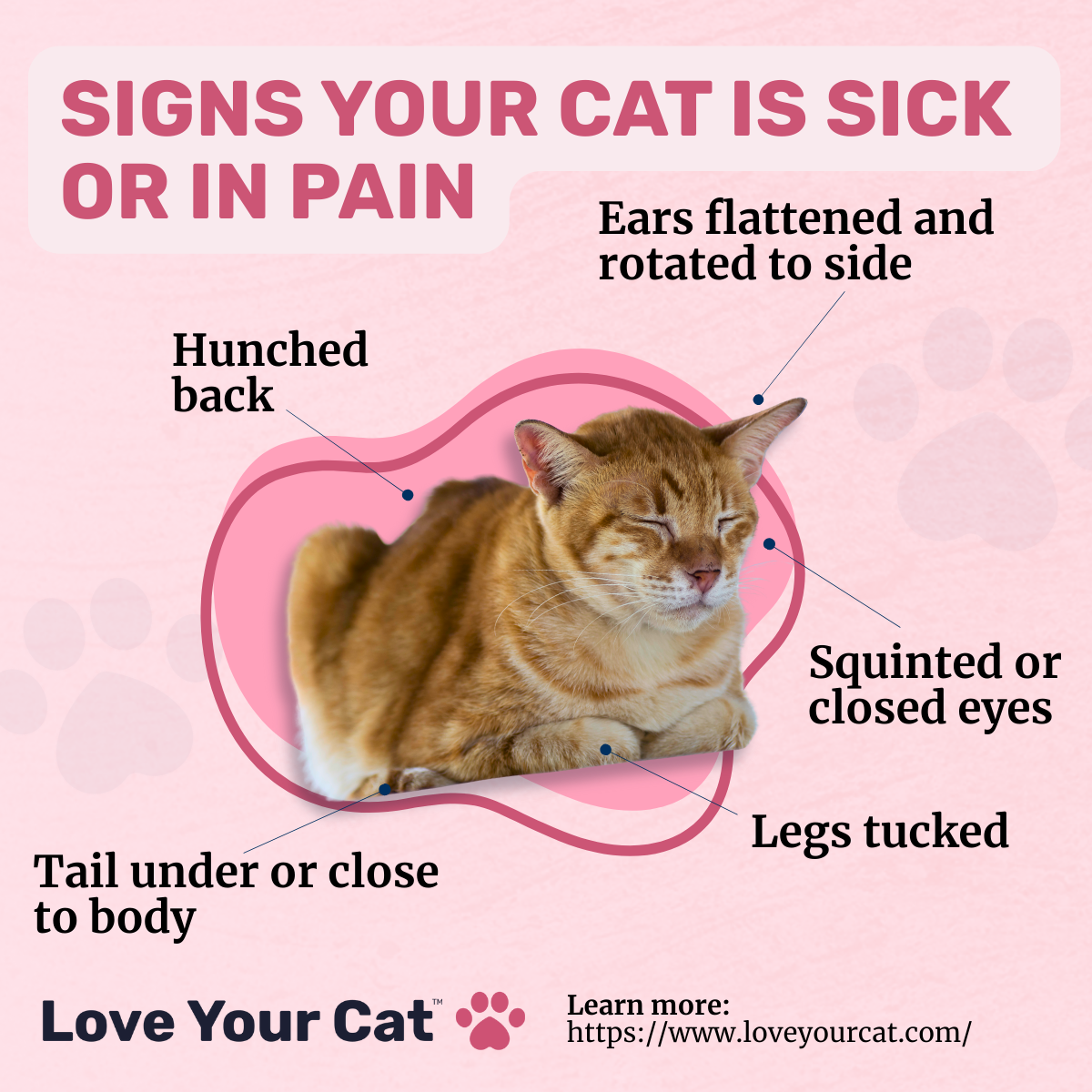
Spotting The Signs Your Cat Is Not Feeling Well
Cats are experts at masking discomfort. If a milk treat triggers stomach trouble, these simple visual cues can help you tell when your cat needs support.
Why Almond Milk Became A Popular Alternative
Almond milk is a staple in many homes today, but it has been part of human diets for centuries. It is made by blending almonds with water and straining the mixture. Commercial brands often add salt, thickeners, vitamins, minerals, and natural flavors.

People reach for almond milk because:
- It is lactose-free
- It is lower in calories
- It tastes mild and creamy
- It works in coffee and cooking
- It feels like a healthier option
These benefits make almond milk great for people. But when it comes to cats, the question becomes: Does lactose-free mean safe?
So, Can Cats Drink Almond Milk?
Almond milk is not toxic to cats, but that does not mean it is always a good choice.
Cats should only have almond milk:
- In tiny amounts
- As an occasional treat
- With careful ingredient checks
A safe almond milk for cats should be:
- Unsweetened
- Free of added flavors
- Free of oils when possible
- Low in stabilizers and thickeners
- Free of artificial sweeteners
How Much Almond Milk Is Safe?
Start with one to two teaspoons. Watch for changes in appetite, stool consistency, or behavior. If all goes well, the same small amount can be offered occasionally.
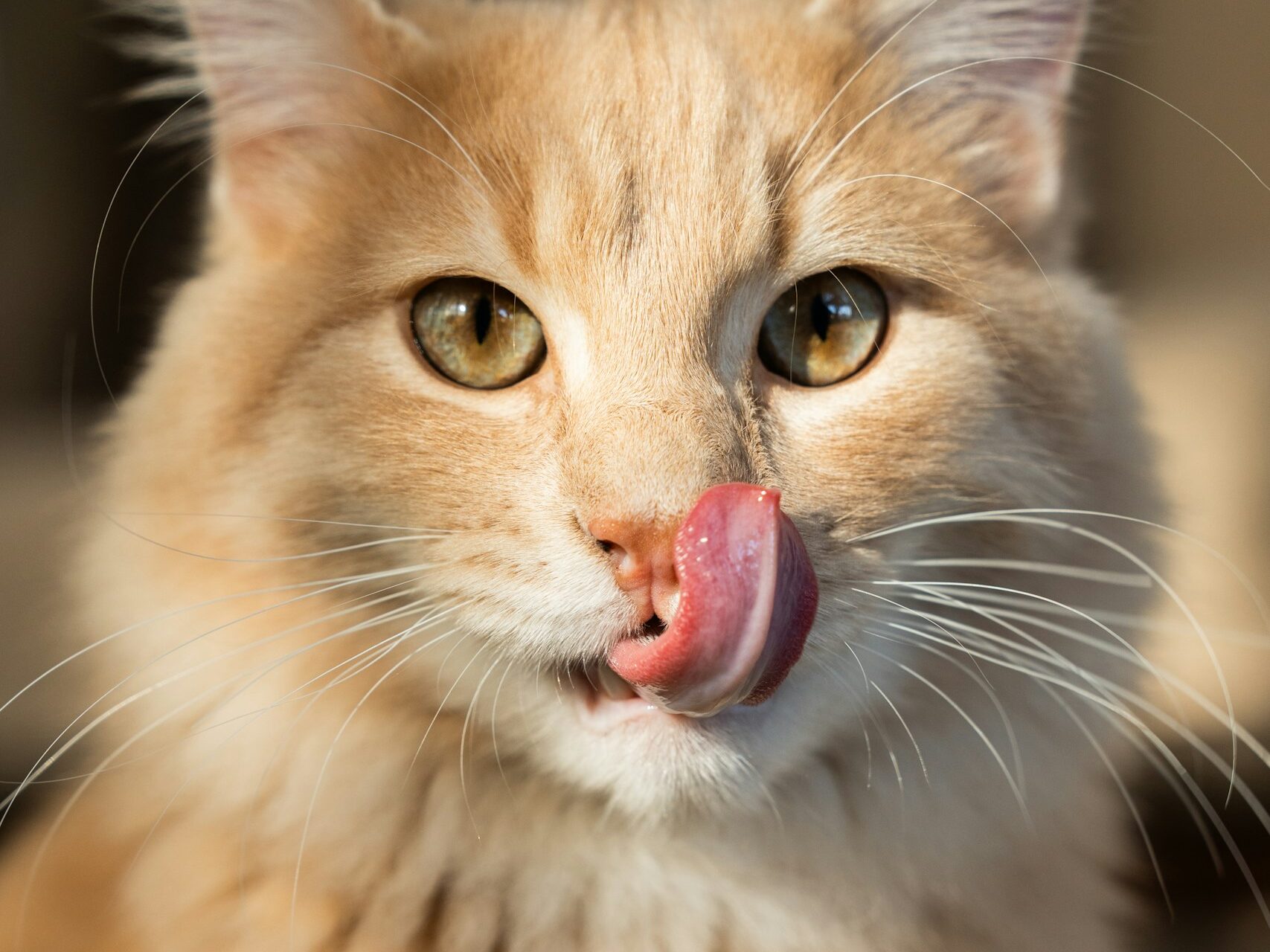
If You Only Remember One Thing: Almond milk is safe in tiny amounts, but it is not healthy or necessary for cats.
How To Know If Your Cat Does Not Tolerate Almond Milk
Watch for these symptoms after offering even a small amount:
- Soft stools
- Vomiting
- Gas
- Refusing food
- Multiple trips to the litter box
Cats with sensitive stomachs or chronic digestive issues may react strongly even to a small taste.
Does Almond Milk Provide Any Benefits For Cats?
No. Almond milk offers no meaningful nutrition for cats.
Cats are obligate carnivores. Their bodies use nutrients from animal proteins and fats far more efficiently than plant-based sources. Almond milk contains no essential amino acids or micronutrients that cats need.
It should never replace:
- Water
- Meat-based treats
- Complete and balanced cat food
- Kitten formula
Think of almond milk the same way you think of a human dessert: fun, but not functional.
Can Kittens Drink Almond Milk?
Absolutely not. Kittens should only drink:
- Their mother’s milk
- A veterinarian-approved kitten milk replacer
Kittens have delicate digestive systems that react strongly to foods outside their nutritional needs. Almond milk can cause diarrhea and dehydration. Severe dehydration can become an emergency within hours, so it is essential to avoid all plant milks for kittens.
4 Reasons Cats Seem Obsessed With Milk
Even though milk causes digestive issues, many cats still act like it is the best treat in the world. There are several reasons for this.
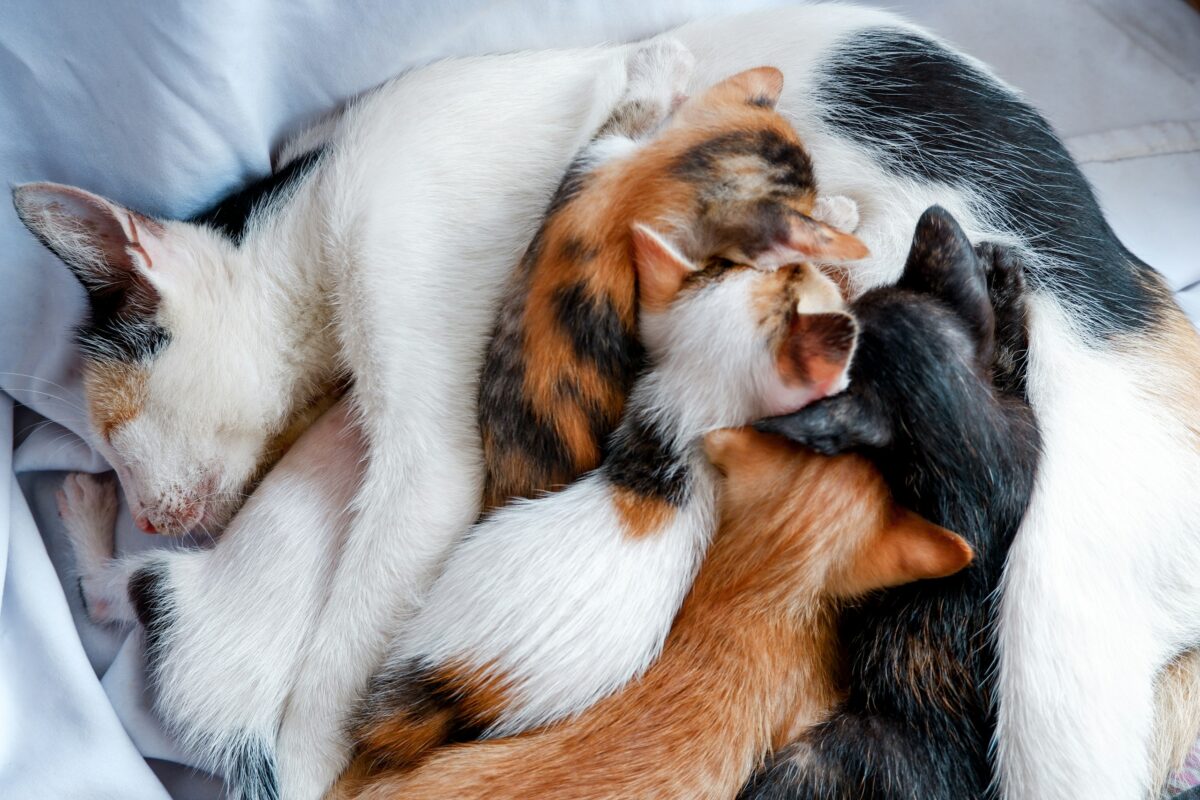
- Milk smells like fat: Cats instinctively seek high-fat foods. Milk smells rewarding and comforting.
- Behavior from kittenhood carries over: Just like kneading, the desire to drink milk can linger into adulthood.
- Farm history plays a role: Historically, raw milk contained natural lactase, which may have helped outdoor cats tolerate it better.
- Milk signals bonding: Some cats associate milk with warmth and owner attention. When your cat begs for a sip, it may have less to do with the drink and more to do with the shared moment.
Cat Behavior Insight: If your cat begs for almond milk, they may be seeking connection, not nutrition.
Is Oat Milk Or Almond Milk Better For Cats?
When comparing almond vs. oat milk, almond milk is usually the safer option.

Nutrition per one cup:
Oat Milk
- 120 calories
- 3 g protein
- 16 g carbohydrates
- 5 g fat
Almond Milk
- 40 calories
- 1 g protein
- 2 g carbohydrates
- 3 g fat
Lower calories and carbs make almond milk less likely to interfere with a cat’s diet. Still, both should be treated as occasional treats only.
What About Other Plant Milks?
With so many dairy alternatives available, it is helpful to understand the safety of each.
- Soy milk: Not recommended. Many cats are sensitive to soy, and it may cause digestive upset.
- Coconut milk: High in fat and can cause loose stools quickly. Very small tastes are safe but should be rare.
- Flax, hemp, or pistachio milk: Not toxic, but provide no nutritional value and may include additives that cause stomach upset.
- Pea milk: Often contains higher protein levels and thickening agents. Not advisable for cats.
None of these milks should replace water or feedings.

3 Safe Milk Alternatives For Cats
If your cat craves milk, these options are safer and easier to digest.
- Lactose-free cow’s milk: An easy substitute that tastes similar to regular milk.
- Goat’s milk: Contains lower lactose naturally. Many cats tolerate it better.
- Specialty cat milk: Some products are formulated specifically for cats and are usually the safest option.
When Almond Milk Should Be Avoided Entirely
Skip almond milk if your cat:
- Has chronic GI issues
- Has a sensitive stomach
- Has diabetes
- Is overweight
- Is recovering from illness
- Is under one year old
Kittens should never drink almond milk under any circumstances.
How To Serve Almond Milk Safely
If you want to offer a tiny taste:
- Pick an unsweetened, simple-ingredient version.
- Offer no more than a teaspoon.
- Do not mix with cereal milk or flavored drinks.
- Observe your cat for 24 hours.
- Only repeat if no symptoms appear.
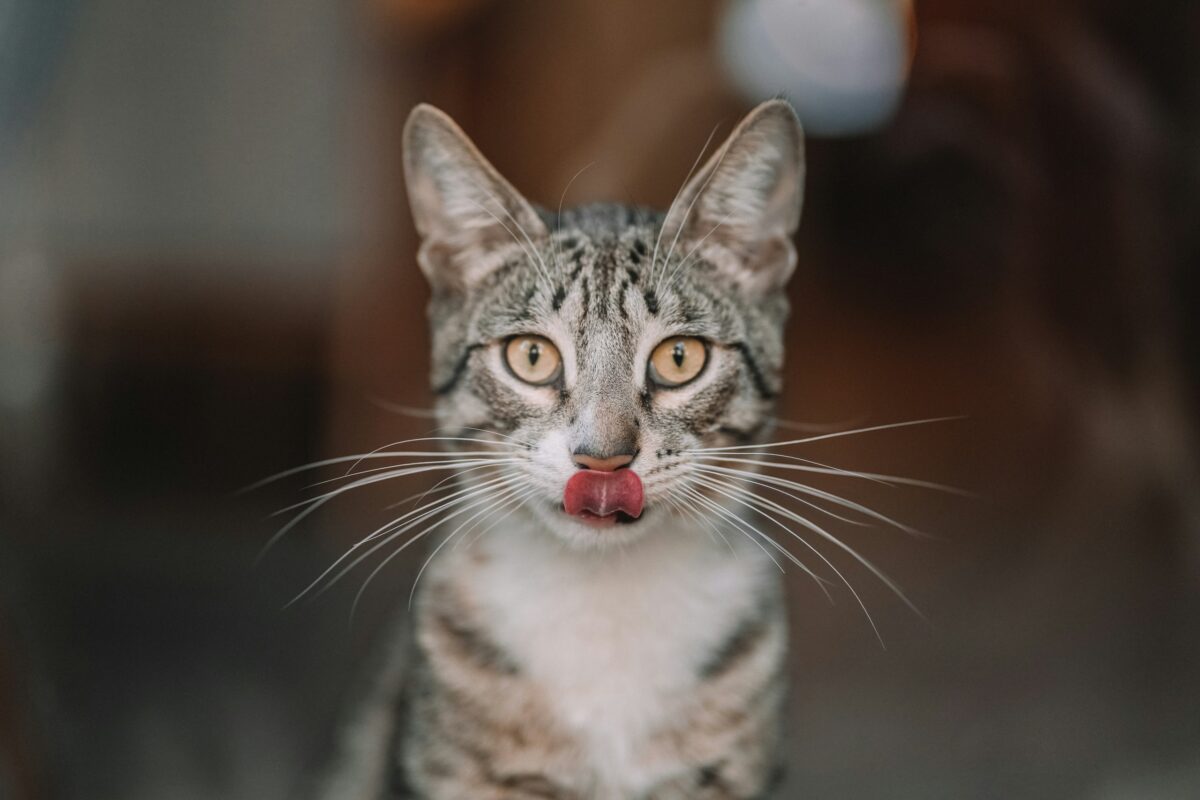
Serving Size Reminder: A teaspoon is plenty for a cat. Anything more increases the risk of digestive upset.
Could Almond Milk Cause Weight Gain?
Almond milk is relatively low in calories, but frequent treats can still contribute to weight gain over time. Indoor cats burn fewer calories, especially those who prefer lounging to playing.
Monitor your cat’s weight, body shape, and energy levels. If you are trying to help your cat lose weight, skip plant milks entirely and rely on water-rich wet food to maintain hydration.
The Myth Of Cats And Milk
Most adult cats are lactose intolerant because their bodies don’t produce lactase, the digestive enzyme necessary for breaking down lactose for digestion. As newborns, kittens produce enough lactase to digest their mother’s milk. As they are weaned, kittens produce less lactase, making the digestion of milk more difficult.
It is a misguided belief that cow’s milk is beneficial for cats. Yes, they may like the taste, but they’ll pay the price for lapping the milk later.
Where do the stories of cats drinking milk come from? Many historians believe the idea started on farms.
Historical Snapshot: These 1954 photo from LIFE Magazine show farm cats being given raw milk as a reward for their work. Scenes like this are part of the reason so many people still picture a happy cat with a bowl of milk today.
Even today, farms utilize the felines for their expertise in hunting mice and other vermin. Historians theorize that farmers would treat their working cats to readily available cow’s milk as a reward for a job well done.
Before pasteurization, cow’s milk naturally contains lactase enzymes. If the farm cats were getting raw milk straight from the source, the lactase might have helped them digest it without any gastrointestinal consequences. As these cats lived outdoors and likely emptied their bowels in privacy, it could also be that any digestive issues went unnoticed.
Others theorize that drinking cow’s milk may be a leftover habit from kittenhood, similar to kneading. Kittens grew up drinking mom’s milk, so cow’s milk may have a familiar smell and taste that comforts them.
4 More Myths About Cats & Milk
The image of a cat enjoying a warm saucer of milk is so deeply rooted in pop culture that many cat owners assume it must be healthy. But most of these beliefs come from outdated farm practices, not cat biology.
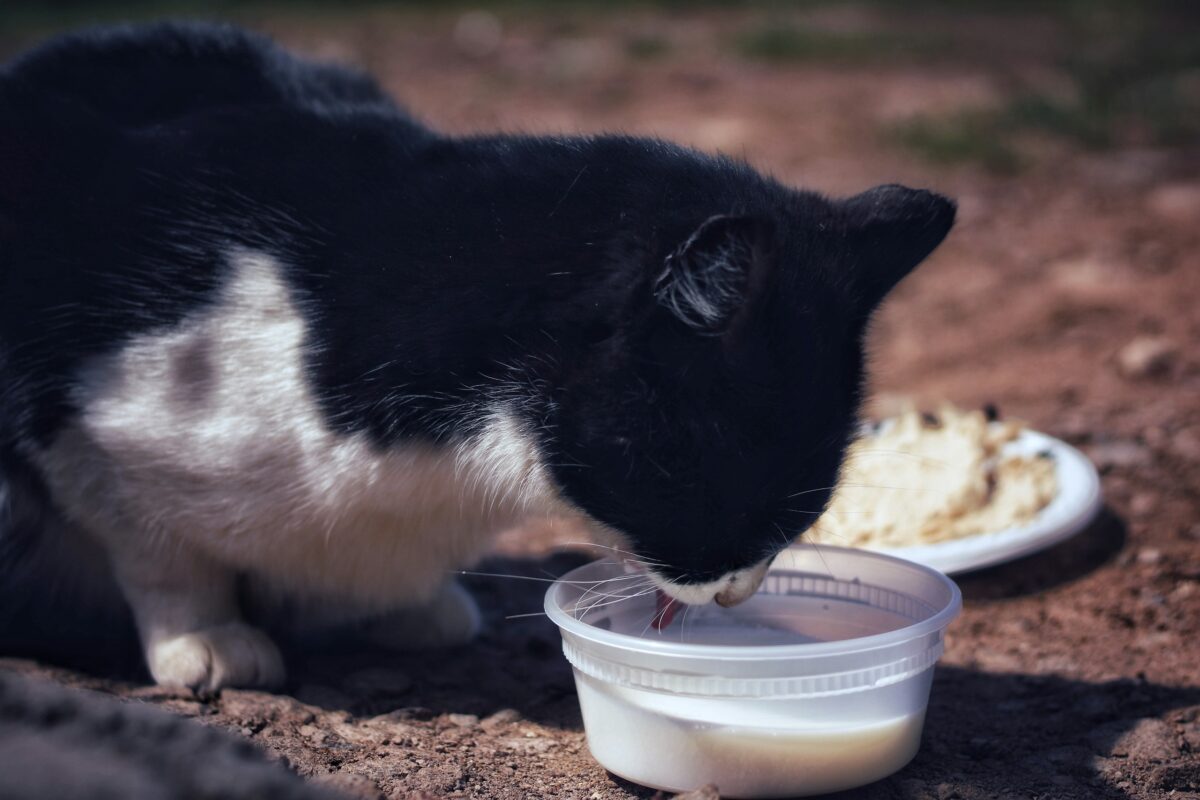
Below are the most common myths that still mislead pet parents today.
- Myth 1: Cats need milk for strong bones. Their complete diet already provides the calcium they need.
- Myth 2: Cats love milk because it is good for them. Cats love milk for its fat content and smell, not for its health benefits.
- Myth 3: Milk is a natural food for adult cats. After kittenhood, milk is no longer a natural or necessary part of a cat’s diet.
- Myth 4: A little cow’s milk will not hurt. Even small amounts can cause digestive trouble for lactose-intolerant cats.
Frequently Asked Questions
Many cat owners have follow-up questions after learning that almond milk is not as straightforward as it seems. Here are answers to the most common concerns about plant milks, safety, and what to do if your cat sneaks a sip.
What Other Kinds Of Milk Are Safe For Cats?
Lactose-free cow’s milk, goat milk, and specialty cat milk products are gentler on a cat’s stomach.
What If My Cat Accidentally Drinks Almond Milk?
A small amount is usually not dangerous. Monitor for vomiting or diarrhea and call your vet if symptoms continue.
How Often Can My Cat Have Almond Milk?
Rarely. Once every few weeks, if tolerated, is more than enough.
Can Cats Drink Vanilla Almond Milk?
Avoid flavored varieties. These often contain sugar, spices, or sweeteners that can irritate a cat’s digestive system.
Is Homemade Almond Milk Better For Cats?
It may contain fewer additives, but it still offers no nutritional benefit and may still cause diarrhea.
Better Options For Curious Cats
If your cat enjoys trying new flavors, almond milk can be a tiny, occasional indulgence when offered safely. Still, many better choices provide real nutrition and fewer digestive risks.
Explore our guide to what human foods cats can eat, try fun homemade cat treat recipes for healthier snacking, or upgrade your cat’s everyday meals with our picks for the best cat food for indoor cats.


