
When you purchase through links on our site, we may earn a commission at no extra cost to you. Learn more.
How long can a cat go without food? It’s a question every cat owner should be prepared to answer, because when the moment comes, time matters more than you think. I’ve spent decades working with cats, but when my ten-year-old cat, Ace, suddenly stopped eating, the reality of that question became personal.
Table of Contents
Ace was healthy, active, and never one to skip a meal. But one morning, he walked away from his food bowl without touching it.
There were no warning signs. Ace wasn’t limping. He wasn’t vomiting. He just walked away from his food bowl without a bite. I tried tuna. I tried chicken. Nothing worked. He looked fine. But something wasn’t.
Most cat owners assume a missed meal is simply a case of pickiness. However, the truth is that even short-term fasting can trigger a rapid internal breakdown, often before any outward symptoms appear. The clock starts ticking the moment your cat refuses food, and what happens next can turn critical fast.
Want our human-written content to rank above AI-generated garbage? Help us out by clicking this button!
He Just Stopped Eating, And It Was Already Too Late
I knew what to look for: loss of appetite, subtle behavior changes, dehydration, but Ace gave me nothing except silence. He didn’t want to cuddle and stopped his ever-present kneading. No howling, no vomiting, no signs of distress. Just quiet withdrawal and untouched food.

By the time I reached the vet, it had been just over 24 hours since he’d last eaten. Bloodwork revealed what I hadn’t seen coming: end-stage kidney failure. He had likely been sick for some time, but he masked it until his body couldn’t hide it anymore. His refusal to eat wasn’t the problem. It was the alarm… and by the time it sounded, we were out of time.
I made the difficult, and heartbreaking choice to let him go. He passed over the rainbow bridge peacefully, but I’ve never forgotten how quickly everything changed.
That experience has shaped my approach to appetite loss in cats. It taught me that waiting, even just a day, can cost you the chance to act. A skipped meal might look minor, but in a cat, it’s often the first and only clue that something is deeply wrong.
Is Your Cat in Danger? Know the Critical Time Window
Your cat skipping a meal might seem like a harmless quirk, especially if they’re known to be a picky eater. But when a feline suddenly stops eating, the clock starts ticking on a potentially life-threatening condition. Cats can become critically ill in just 24–48 hours without food, especially if they’re overweight, senior, or have an underlying health issue. Unlike dogs or humans, cats’ bodies aren’t built to withstand fasting.
How Long Can a Cat Go Without Eating? What the Vet Says
In my practice, we see cats that stop eating due to many different underlying health complaints or sometimes because of extreme stress. This lack of appetite can have health-damaging consequences in as little as two to seven days. A cat that is anorexic (not eating) will start to break down the fatty tissue in their body to get an alternative source of energy, but this can overwhelm the liver. Triglycerides from the fatty tissue can build up in the liver cells, which stops them from being able to function properly. This condition is called hepatic lipidosis (fatty liver).
– Dr. Rebecca MacMillan, BVetMed, BSAVA, PGCertSAM, MRCVS
How Long Can a Cat Go Without Eating or Drinking?
Understanding how long a cat can survive without food or water is essential to making timely, informed decisions. The answer depends on several factors, including age, weight, overall health, and whether the cat is drinking water during the fast.

Without Food (But Still Drinking Water)
In general, a healthy adult cat may survive up to one to two weeks without eating if they continue to drink water. However, this timeline is misleading. While survival may be technically possible, severe complications can begin within 48 to 72 hours.
Once a cat stops eating, the body begins breaking down fat reserves for energy. This can overwhelm the liver, leading to a serious condition called hepatic lipidosis. Cats who are overweight, elderly, or managing other medical issues are at even greater risk.
Veterinarians typically recommend that any cat that refuses food for more than 24 hours should be seen for evaluation. Early treatment often prevents serious complications.
Without Food or Water
Cats can only survive three to four days without water. Dehydration sets in quickly, causing stress on the kidneys and circulatory system. If a cat is neither eating nor drinking, the risks escalate rapidly.
Common signs of dehydration include:
- Dry or tacky gums
- Sunken eyes
- Poor skin elasticity (skin does not snap back when gently pinched)
- Lethargy and weakness
If your cat has not eaten in 24 hours, or gone more than 12 to 18 hours without drinking, consult your veterinarian immediately.
3 Steps: What Happens Inside a Cat’s Body When It Stops Eating
When a cat stops eating, internal changes begin quickly, even if they appear outwardly normal at first. Cats have a unique metabolism that relies on regular intake of calories and nutrients. Without food, the body enters a breakdown process that can become dangerous in a short amount of time.
Stage 1: Energy Depletion and Fat Metabolism
After 24 to 48 hours without food, the body begins to use its fat stores for energy. In cats, the liver struggles to process fat efficiently. As fat accumulates in the bloodstream, it starts to build up in the liver, impairing its function. This condition is called hepatic lipidosis, or fatty liver disease.
Stage 2: Liver Dysfunction and Systemic Effects
As the liver becomes overwhelmed, the following symptoms may occur:
- Lethargy
- Vomiting or dry heaving
- Yellowing of the gums, eyes, or skin (jaundice)
- Muscle wasting and weight loss
Without treatment, liver failure can develop. Cats typically require hospitalization, IV fluids, feeding tube placement, and close monitoring to recover.
Stage 3: Dehydration and Organ Stress
If the cat is also not drinking water, dehydration begins to compromise all other systems. The blood becomes thicker, circulation slows, and the kidneys may begin to shut down. The immune system weakens, making the cat more vulnerable to infection and secondary complications.
Why Early Action Is Critical
Many cats show no outward signs of illness in the early stages of hepatic lipidosis. A simple refusal to eat may be the only clue. Waiting for more obvious symptoms often results in delayed treatment and worse outcomes. Any cat that hasn’t eaten in 24 hours should be seen by a veterinarian, even if they appear otherwise normal.

Fatty Liver In Cats (A Vet’s Expert Opinion)
Contrary to humans and dogs, cats become sick quickly when not eating. Cats who don’t eat for a day or two risk developing fatty liver, which can cause liver failure.
In my experience, cats with fatty liver can present with sudden weight loss, a swollen liver (which may cause an enlarged abdomen), dehydration, vomiting, and jaundice, which causes a yellow tinge to their skin and mucous membranes.
If fatty liver is caught early, it is treatable with hospitalization and supportive care. Affected cats require intravenous fluids to correct any dehydration, along with nutritional support. This is usually in the form of a feeding tube with a careful reintroduction of food. Your cat will also require blood tests to monitor their liver values and to check for electrolyte imbalances, as well as to screen for any other underlying illnesses.
Fatty liver can be fatal if not treated quickly. I would urge owners to seek help from a vet early on if they are worried about their cat’s appetite, as this leads to better outcomes. The good news is that if a cat successfully recovers from fatty liver, then they are very unlikely to experience a recurrence of the condition.
– Dr. Rebecca MacMillan, BVetMed, BSAVA, PGCertSAM, MRCVS
Why Is My Cat Not Eating?
When a cat stops eating, it’s often a sign that something deeper is going on. Unlike dogs, cats rarely skip meals without a reason. The cause may be medical, emotional, environmental, or even related to food itself. While some issues are minor and temporary, others can escalate quickly and require immediate veterinary attention.
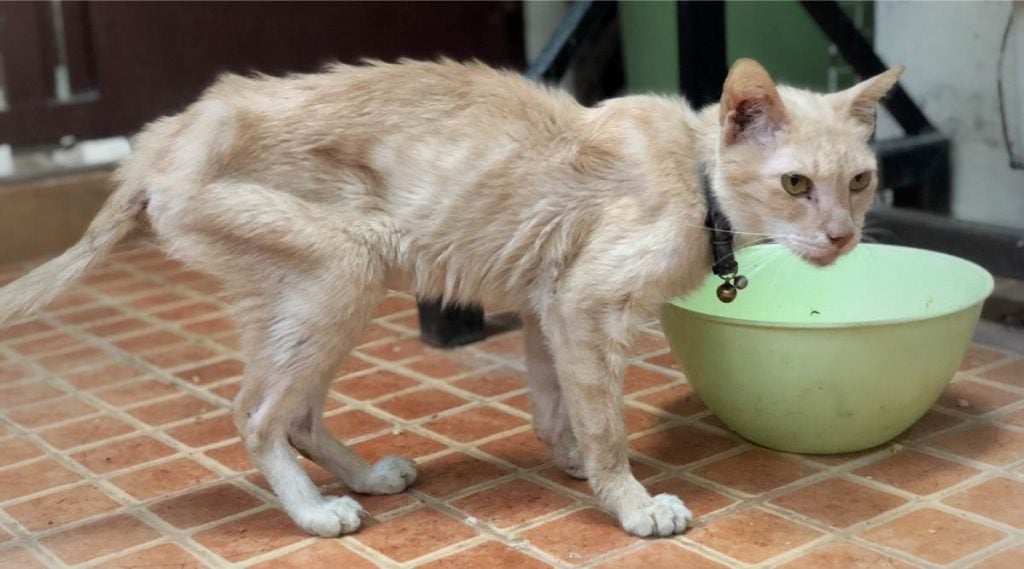
15 Reasons Why Your Cat Won’t Eat
If your cat has suddenly refused food, the list below outlines some of the most common reasons, grouped by category, to help you identify possible patterns or concerns.
Medical Causes
- Dental pain: Issues like gingivitis, broken teeth, or oral infections can make eating painful. Watch for drooling, pawing at the mouth, or bad breath.
- Gastrointestinal problems: Conditions like constipation, nausea, IBD, or a hairball blockage can reduce appetite.
- Kidney disease: A common illness in older cats that often causes nausea and appetite loss, sometimes without early outward symptoms.
- Pancreatitis: Inflammation of the pancreas can cause vomiting, abdominal pain, and refusal to eat.
- Foreign object ingestion: Cats may swallow string, ribbon, rubber bands, or other small objects that create digestive blockages and stop them from eating.
- Respiratory infections: Congestion or loss of smell from an upper respiratory infection can make food unappealing or difficult to locate.
- Chronic illness: Conditions like hyperthyroidism, diabetes, cancer, or liver disease may reduce appetite gradually or suddenly.
- Aging: Older cats may eat less due to slower metabolism, dental issues, or reduced senses of taste and smell.
- Prescription medications: Some antibiotics, pain relievers, or anti-anxiety medications can reduce appetite. If side effects persist, consult your vet.
Behavioral and Emotional Causes
- Stress or anxiety: Moving, loud environments, new pets, or changes in routine can cause temporary appetite loss.
- Depression or grief: Cats may stop eating after losing a companion (animal or human), or when experiencing boredom or loneliness.
- Travel or boarding: Unfamiliar surroundings and smells may suppress a cat’s desire to eat.
Environmental or Dietary Factors
- Recent diet change: Switching food too quickly can lead to rejection. Gradual transitions are usually better tolerated.
- Dirty or uncomfortable food bowls: Cats may refuse to eat if their dish is dirty, has an odor, or causes whisker fatigue.
- Food allergies or intolerances: Sensitivities may cause nausea, vomiting, or inflammation that leads to food aversion.
When to Call Your Veterinarian
Because appetite loss can stem from various causes, some of which are serious, it’s essential to take action promptly. Monitor your cat for other signs such as vomiting, diarrhea, lethargy, hiding, or changes in urination. If your cat refuses food for more than 24 hours or shows additional symptoms, schedule a veterinary appointment right away.
Early intervention can prevent complications and help your cat recover faster. In many cases, a simple examination and blood test can identify the root cause and guide effective treatment.
5 Early Warning Signs Your Cat May Be in Trouble
Cats are experts at hiding discomfort. This natural survival instinct means that by the time obvious symptoms appear, a medical condition may already be advanced. Recognizing early warning signs, especially subtle changes in behavior or eating habits, can help you intervene before a situation becomes critical.

1. Changes in Appetite
One of the first signs that something may be wrong is a noticeable decrease in appetite. A cat who normally finishes meals but begins leaving food untouched, eating only a few bites, or ignoring treats may be signaling an internal issue.
If your cat refuses food for more than 24 hours, even once, it is important to seek veterinary advice. In many cases, appetite loss is the earliest symptom of systemic illness.
2. Low Energy or Lethargy
Cats naturally rest for long stretches, but true lethargy is different. If your cat is unusually still, avoids interaction, or stops responding to favorite toys or noises, it may indicate fatigue caused by pain, illness, or dehydration.
3. Changes in Behavior
Watch for subtle behavioral shifts such as:
- Hiding more than usual
- Vocalizing less (or more)
- Becoming irritable or unusually quiet
- Resisting touch or grooming
These changes often reflect discomfort or stress. In some cases, they precede more obvious symptoms like vomiting or diarrhea.
4. Dehydration and Physical Clues
Dehydration can set in quickly when a cat is not eating or drinking. Early signs may include:
- Dry or sticky gums
- Sunken eyes
- Decreased skin elasticity (pinch test)
- Loss of grooming behavior or rough coat appearance
5. Weight Loss or Muscle Wasting
Sudden weight loss or visible thinning, especially along the spine and hips, can signal a deeper health issue. Muscle loss can occur quickly in cats who are not consuming adequate protein.
When to Contact Your Veterinarian
If your cat shows any combination of the signs listed above, particularly appetite loss, lethargy, and dehydration, schedule a veterinary evaluation as soon as possible. Cats often decline rapidly once symptoms appear, and early intervention is key to improving outcomes.
How Can I Get My Cat To Eat?
If your cat is refusing food, and you’ve ruled out an immediate medical emergency with your veterinarian, there are several steps you can take at home to stimulate their appetite. The strategies below are simple, low-risk, and often effective, especially for cats who are recovering from illness, adjusting to a new environment, or experiencing mild digestive upset.

While it’s best to seek veterinary guidance if your cat doesn’t eat, there are steps you can take within the first 24 hours to encourage your cat to break their fast.
5 Ways To Encourage Your Cat To Eat
- Move your cat’s food bowl: For an anxious cat, moving their food bowl to a low-traffic area, away from loud noises and other animals, can encourage eating. Avoid placing the bowl near the litter box, as this can also discourage eating.
- Replace/clean the food bowl: A dirty food bowl is unappetizing and may cause your cat not to eat. Make sure your cat’s food and water dish are clean. A food dish that’s too deep can cause whisker fatigue, where your cat experiences stress from sensory overload. Try a wide, low-profile bowl or switch the bowl’s material (try stainless steel or ceramic) if your cat won’t eat.
- Change food type: If your cat shows little interest in their current food, switch it up. If you recently switched to a new cat food, allow your cat to eat the food they like, and you can eventually try transitioning to a different food again. For cats that normally eat dry food but won’t eat it, try giving them wet food.
- Add a topper: Add every flavor using meal toppers. Options include broth, fish oil, pumpkin flakes, and freeze-dried fish or other meaty treats.
- Try heating the food: Cats like warm food, plus heat will make the food more aromatic.
Bonus Tip: Try Hand-Feeding or Interactive Feeding
Some cats will eat more readily if you offer food by hand or from a spoon. You can also try placing a small portion on a flat plate or directly on the floor to reduce barriers. For cats who are playful, using food puzzle toys or licking mats may also encourage interest in food.
If your cat still refuses food after trying these methods, or if their appetite returns but they remain weak, lethargic, or dehydrated, contact your veterinarian. In some cases, appetite stimulants, assisted feeding, or further diagnostic testing may be necessary to address an underlying issue.
Sick Cat? Stressed Cat? These Top Quality Foods Get Results
If your cat isn’t eating due to illness, stress, or recovery from a medical procedure, offering the right food can make a big difference. The options below are gentle on the stomach, flavorful enough to spark interest, and made with quality ingredients your cat’s body can tolerate during sensitive periods.

Whether you’re looking for a short-term solution or a long-term dietary upgrade, these foods are known to help when your cat refuses everything else.
1. Smalls Cat Food
Smalls offers fresh, human-grade cat food with simple ingredients and high moisture content—ideal for cats recovering from illness or refusing dry kibble. It’s soft, aromatic, and comes in flavors picky eaters tend to love. Because it’s gently cooked and nutritionally balanced, it also works as a long-term diet.
2. Stella & Chewy’s Freeze-Dried Raw
For cats that are bored with traditional food textures, Stella & Chewy’s offers high-protein freeze-dried morsels that can be rehydrated with warm water or broth. This adds moisture and warmth, two factors that often entice sick or anxious cats to eat. The ingredient list is clean and species-appropriate.
3. Simple Homemade Recipes
If your cat won’t eat anything commercial, a small batch of homemade food may encourage them to eat again. Cooked chicken, turkey, or fish (without seasoning) can work as a gentle reintroduction to food. Explore our favorite homemade cat food recipes for safe and nutritious ideas.
4. Hairball-Control Formulas
Sometimes appetite loss is linked to digestive discomfort caused by hairballs. Foods formulated for hairball management include extra fiber to support digestion and reduce blockages. These can be especially helpful for long-haired or indoor cats. Check out our top picks for hairball-control cat food here.
5. Indoor Formulas with Extra Moisture
Indoor cats tend to have lower activity levels and may need easier-to-digest food during stressful periods. Many indoor formulas are designed with gentle fiber, added moisture, and immune-boosting nutrients. Explore our recommended indoor cat foods here.
Finding the right food is often a matter of trial and error. Start with small portions, warm the food slightly, and avoid pressuring your cat. If your cat still won’t eat after trying these options, consult your vet to explore appetite stimulants, prescription diets, or assisted feeding options.
Frequently Asked Questions
Still feeling unsure? I was, too. Cat behavior, especially around food, can be confusing and sometimes alarming. Below are answers to some of the most common questions cat owners ask when their feline refuses to eat.

If your question isn’t covered here, feel free to leave a comment at the bottom of this article. We’re always happy to provide additional insight based on your cat’s unique situation.
Can A Cat Survive Five Days Without Food?
In rare cases, a healthy cat may survive up to five days without food, but it’s extremely risky. After just 48 to 72 hours without eating, the risk of hepatic lipidosis (fatty liver disease) increases significantly. If a cat also stops drinking, organ failure can begin even sooner. Survival depends on hydration status, body weight, and underlying health conditions. Veterinary care is recommended after 24 hours of no food.
What Do You Feed A Cat That Won’t Eat?
If your cat won’t eat cat food, get creative by adding human food. Try feeding them a can of tuna or anchovies with added water (make sure it’s a low-sodium option). You can also offer small amounts of plain, unseasoned cooked chicken or turkey. Sprinkle a bit of Parmesan cheese or add a dollop of cottage cheese to their regular food.
If your cat still doesn’t eat, talk to your vet. There are appetite-stimulating medications that may be an option for your kitty.
Should I Syringe-Feed My Cat?
Syringe-feeding should only be done under veterinary guidance. It can be useful for short-term nutritional support, but if done improperly, it can lead to aspiration (inhaling food into the lungs) or increased stress. If your cat consistently refuses food, ask your vet whether assisted feeding, appetite stimulants, or a feeding tube may be appropriate.
How Long Can A Kitten Go Without Eating?
Kittens are especially vulnerable. A young kitten (under 6 weeks) should not go more than a few hours without eating, as they don’t have the fat reserves or liver function to support fasting. Older kittens may tolerate up to 12 hours, but skipping meals at any age can be dangerous. Prompt veterinary evaluation is strongly advised for any kitten with appetite loss.
Keeping Your Cat Healthy Starts with Daily Care
When a cat stops eating, it’s often more than a temporary quirk; it can be an early warning sign of something serious. That’s why daily care is so critical. Feeding a high-quality, balanced diet, encouraging regular play and exercise, and maintaining routine veterinary visits, including dental care and vaccinations, are essential to long-term health. Even indoor cats benefit from parasite prevention and regular checkups to catch issues before they become emergencies.
Equally important is the time and attention you give your cat. Consistent routines, emotional connection, and environmental enrichment all support your cat’s physical and mental well-being. The better you know their habits, the more quickly you’ll spot small changes, like a skipped meal, that might signal something deeper. Staying proactive, observant, and responsive gives your cat the best possible chance at a long, healthy life.
Have You Been Through This With Your Cat? Share Your Story Below
I know how serious it can be when a cat stops eating. I’ve also seen the other side, when quick action helped my cat recover fully. That contrast is why I always take appetite loss seriously. If your cat has ever stopped eating, even for a day, you know how quickly concern can turn into a serious situation. We’d love to hear from you. Share your experience in the comments. Your story might help another cat owner spot the warning signs early and take action in time.


