When you purchase through links on our site, we may earn a commission at no extra cost to you. Learn more.
Your cat moves like a shadow across the yard, silent, focused, and fearless. You hear rustling, maybe a hiss. Then silence…
Table of Contents
Moments later, she reappears, wide-eyed, alert, and breathing hard. You step outside and freeze. Coiled near the shed, barely visible in the weeds, is a snake.
Your instinct is to panic. You wonder: Is it venomous? Will your cat attack? Could your pet get hurt?
This type of scenario isn’t as rare as many cat owners believe. Across North America, particularly in warmer regions and rural or suburban areas, cats and snakes often coexist in outdoor environments. While cats are curious, fast, and skilled hunters, snakes are stealthy, defensive, and sometimes dangerous.
Want our human-written content to rank above AI-generated garbage? Help us out by clicking this button!
So what really happens when these two predators meet? Is your cat in control, or completely outmatched? Before you assume your pet is safe, there are a few things you need to know.
When Curiosity Turns Dangerous: Why Cats and Snakes Cross Paths
Cats are naturally drawn to movement, mystery, and the thrill of a chase. Outdoor environments, such as gardens, backyards, garages, and wood piles, provide endless stimulation, but occasionally, they also pose dangerous surprises.

Snakes are just as likely to seek out these same spaces in search of shelter, warmth, or prey like rodents. It’s no wonder these two animals end up face-to-face more often than many owners realize.
Even a small yard can be home to several snake hiding spots. Overgrown grass, stacked firewood, rock piles, and shady corners beneath porches are common places where snakes may settle.
While many species are harmless, the presence of even one venomous snake in your area raises the stakes considerably.
When a cat encounters a snake, its reaction often depends on instinct and past experience. Some cats immediately go into hunting mode, stalking, swatting, and striking with little hesitation. Others may freeze, retreat, or cautiously observe.
The danger lies in the unpredictability of both animals. A snake may strike defensively if it feels threatened, and a cat may underestimate the risk.
The combination of feline curiosity and natural hunting behavior means these encounters can escalate quickly. What starts as play can end in injury, or worse. Understanding this dynamic is critical before allowing your cat to roam unsupervised in areas where snakes are common.
Can Cats Really Kill Snakes? Here’s the Truth
Yes, cats can kill snakes. Many domestic cats are equipped with the physical tools to do so: sharp claws, quick reflexes, and an instinctive predatory drive. Cats have often been observed catching and killing small, non-venomous snakes.
These species are generally small, slow-moving, and pose little danger to a healthy adult cat. However, not all snake encounters end in a clean victory. The outcome depends on several factors, including the species of snake, its size, whether it’s venomous, and the health and age of the cat.

A younger, agile cat may be more capable of avoiding a snake’s strike, while an older or indoor-only cat might be more vulnerable. There’s also the issue of proximity. Many snake bites occur on the face, neck, or front legs, areas where venom can quickly enter the bloodstream.
Even if a cat kills a venomous snake, it may suffer a life-threatening bite during the struggle.
In short, while cats can kill some snakes, it’s a dangerous game of chance. Not all snakes are created equal, and even the most capable feline is at risk when the stakes involve venom or constriction.
Myth: Cats Know Better Than to Mess with Snakes
Cats are curious, not cautious. They often go into hunting mode when they spot a snake, especially if it moves or hisses. Instinct doesn’t always equal safety, especially with animals they’ve never encountered before.
Real Footage: What Happens When a Cat Faces Off With a Snake
It’s one thing to read about cats and snakes; it’s another to watch the danger unfold in real time. In the video below, a curious cat confronts a snake in a high-stakes standoff that could go either way. Watch closely, and ask yourself: what would your cat do?
Which Snakes Are Harmless, and Which Can Kill Your Cat
Many of the snakes found in residential areas are non-venomous and generally pose little threat to cats. Garter snakes, corn snakes, rat snakes, king snakes, and gopher snakes are among the most common and least dangerous.
These species typically grow to between one and three feet in length, are not aggressive, and will only bite if threatened. While a bite from one of these snakes can cause mild swelling or irritation, it is not likely to cause serious harm unless the wound becomes infected.
That said, even non-venomous bites can become problematic if they occur near sensitive areas like the eyes or nose, or if bacteria from the snake’s mouth lead to infection. Always inspect any injuries closely, regardless of the snake’s species.
On the other hand, several snakes in North America are venomous and potentially deadly to cats.
Not All Snakes Are Equal—These Can Kill Your Cat
These snakes aren’t just a threat; they can kill your cat. Even a single bite can cause paralysis, organ failure, or death without fast treatment.

If you live in an area where these species are common, you need to know what they look like and where they hide.
- Rattlesnakes are the most widely distributed and pose the highest risk. Found in nearly every U.S. state, they can deliver a hemotoxic and neurotoxic venom that damages tissue, disrupts blood clotting, and impairs the nervous system.
- Copperheads and cottonmouths, also known as water moccasins, are less lethal than rattlesnakes but still highly dangerous and often aggressive when provoked.
- Coral snakes, though less likely to bite, carry a potent neurotoxin and live in parts of the southern United States. Even a single bite from any of these venomous snakes can be fatal without immediate treatment.
- In Florida and other southern states, large non-native snakes such as boa constrictors and pythons, which are often escaped pets or invasive species, can also pose a threat. These snakes kill by constriction rather than venom, and while they typically target smaller prey, there have been documented cases of them killing cats. The size and strength of these reptiles make them a serious danger in certain areas.
Knowing which snakes are common in your region and understanding their behavior can help you assess the risks your cat might face outdoors. Even in areas where venomous snakes are rare, it only takes one bite to create a medical emergency.
When Are Snakes Most Active? Watch the Seasons
Snake encounters aren’t just random; they follow seasonal patterns. If your cat goes outside, it’s important to understand when snake activity is at its peak. Warmer months bring snakes out of hibernation and into yards, gardens, and shaded hiding spots.
| Month | Snake Activity | Risk to Cats |
|---|---|---|
| March | Emerging from hibernation | Moderate |
| April – July | Peak activity | High |
| August – October | Still active, seeking shelter | Moderate |
| November – February | Mostly dormant (in most regions) | Low |
In warmer climates, such as the Southeast or Southwest U.S., snakes may remain active longer, sometimes even year-round. Keep your yard clear of debris and watch where your cat wanders, especially in the spring and summer months.
What Happens if a Snake Bites Your Cat?
When a cat is bitten by a venomous snake, time becomes critical. Symptoms can appear within minutes or be delayed for several hours, depending on the species and the amount of venom injected. This delay can be deceptive, leading owners to believe their cat is fine until symptoms rapidly worsen.
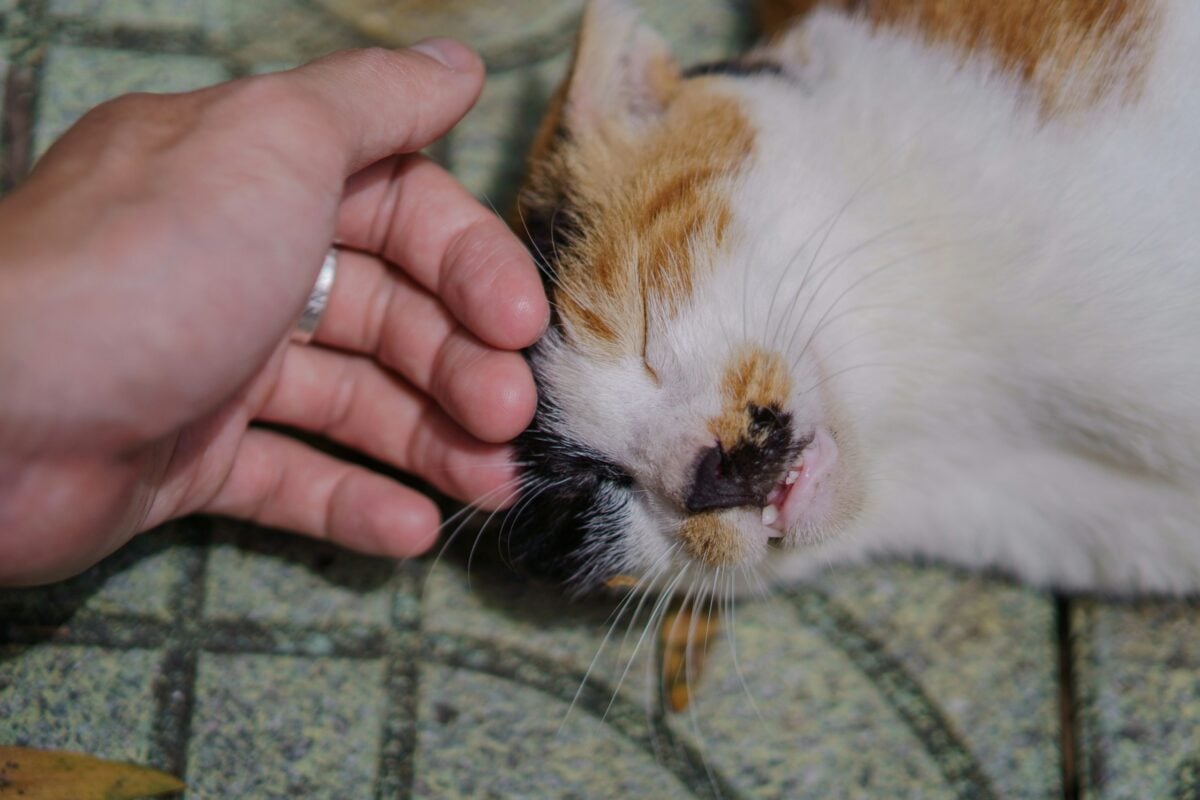
Common signs of envenomation include swelling at the bite site, muscle tremors, weakness, dilated pupils, vomiting, drooling, labored breathing, and sudden collapse. In severe cases, cats may experience paralysis or fall into a state of shock. Bites to the face, neck, or legs tend to spread venom faster and are especially dangerous.
Even if the snake is non-venomous, bites can cause infection, pain, and inflammation. Regardless of the snake type, every bite should be treated as a potential emergency.
Veterinary case studies confirm that cats are vulnerable to snake envenomation and require fast, professional care. One 2023 study from South Korea documented three cats who developed symptoms ranging from swelling to neurologic signs after snakebites. All survived, but only with early treatment and monitoring.
Emergency Response: What To Do If Your Cat Gets Bitten
If you suspect your cat has been bitten by a snake, especially a venomous one, do not wait to see how it progresses. Immediate veterinary care is your cat’s best chance of survival. Call your vet or the nearest emergency animal hospital while preparing to transport your pet.
- Keep your cat as calm and still as possible. Limit their movement to slow the spread of venom through the bloodstream. If you can safely identify the bite location, try to keep it below the level of the heart.
- Do not attempt to suck out the venom, cut the wound, or apply ice. These outdated methods can do more harm than good. Instead, focus on getting your cat to a medical professional as quickly and safely as possible.
- If you live in a region with venomous snakes, ask your vet in advance whether they carry antivenom or have a recommended emergency referral clinic. Some cats may require multiple doses of antivenom, as well as fluids, pain relief, and oxygen support.

Time is critical. Even if symptoms seem mild at first, do not delay seeking treatment. A cat’s ability to recover from a snakebite depends heavily on how quickly treatment begins.
Myth: If There’s No Swelling, It Wasn’t a Bite
Venom symptoms don’t always appear immediately. Some bites cause delayed reactions like lethargy, vomiting, or weakness that set in hours later. No visible swelling doesn’t mean your cat is in the clear.
Cat vs. Rattlesnake: Could Your Pet Survive?
Rattlesnakes are among the most dangerous snakes your cat can encounter. A single bite can inject venom that causes tissue damage, internal bleeding, and neurological failure.
While some cats have survived rattlesnake attacks, the risk of serious injury or death is extremely high without immediate medical care.
Here’s what makes rattlesnake encounters especially dangerous for cats:
- Fast venom effects: Symptoms can appear within minutes.
- Strike zones: Bites often hit the face or limbs, critical areas for rapid venom spread.
- Delayed symptoms: Cats may collapse, recover briefly, then worsen later.
- False resistance myth: Cats are not immune to venom; they simply show symptoms differently than dogs.
- Common hiding spots: Rattlesnakes favor porches, woodpiles, tall grass, and shaded corners.
If you live in an area where rattlesnakes are common, especially in the southwestern or southern United States, keeping your cat indoors or in a secure outdoor enclosure is one of the most effective ways to prevent a deadly encounter. Rattlesnakes are found in deserts, grasslands, forests, and even suburban neighborhoods, often hiding in cool, shaded areas like woodpiles or under porches.
The bottom line is this: a confrontation between a cat and a rattlesnake is never worth the risk. No matter how brave or fierce your pet may be, a single strike from a rattler can change everything in seconds.
Can Cats Eat Snakes? The Toxic Aftermath Explained
Cats are natural predators, and if they kill a snake, they may try to eat it—especially outdoors where supervision is limited. While non-venomous snakes are less dangerous, consuming any wild animal carries risks. Ingesting even part of a venomous snake could lead to serious health complications.
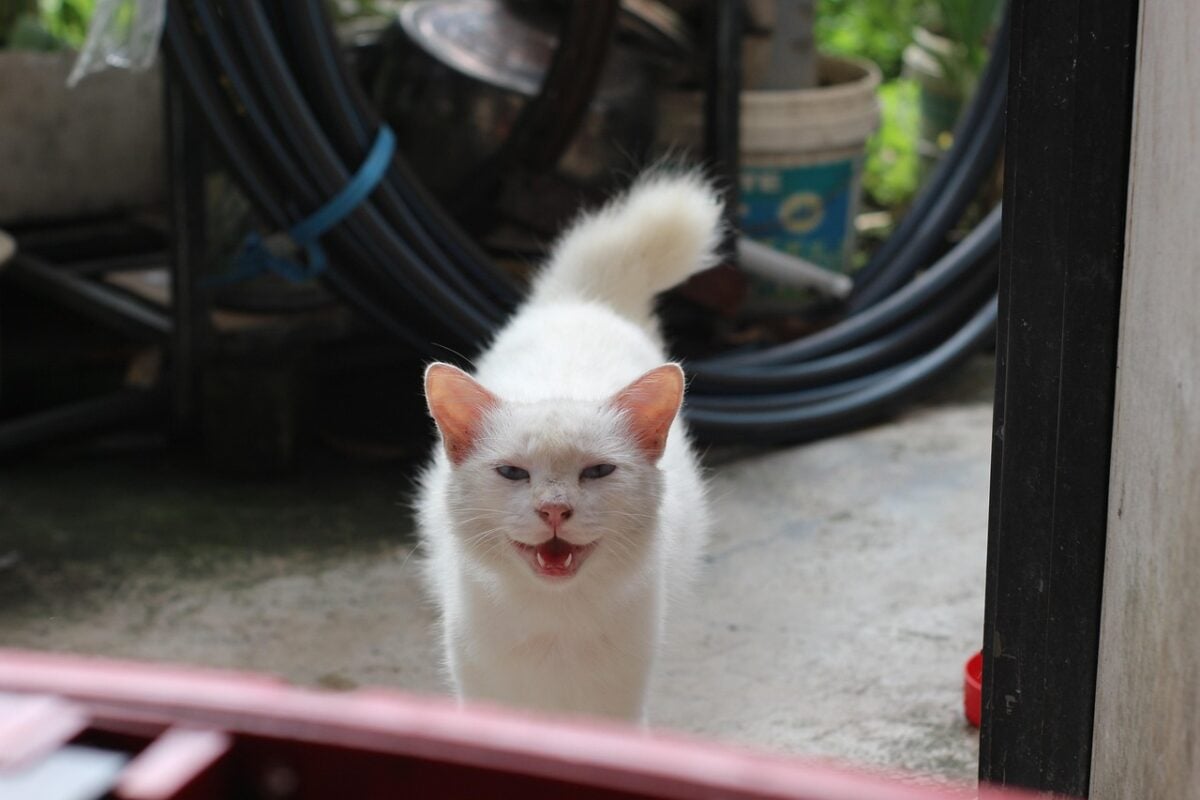
Here’s why eating a snake can be harmful to your cat:
- Venom residue: Some venom remains in the tissues after the snake is dead and can still cause sickness if ingested.
- Bacterial infection: Wild reptiles often carry harmful bacteria that can lead to vomiting, diarrhea, or infection.
- Digestive upset: Scales and bones may irritate the stomach, leading to vomiting or bowel issues.
- Toxin exposure: If the snake recently consumed toxic prey or pesticides, those toxins can pass to your cat.
Most domestic cats won’t consume an entire snake, but even a small bite could lead to health issues. If your cat eats part of a snake, especially a venomous one, monitor them closely and contact your veterinarian immediately.
This Snake Strike Was Over in Seconds: Would Your Cat Survive?
Snakes don’t always warn before they strike. In this short clip, the speed and precision of the attack show just how quickly things can turn deadly. It’s a powerful reminder: even a curious glance can become a critical mistake.
How to Snake-Proof Your Yard & Keep Your Cat Safe
If your cat spends time outside, reducing the chance of a snake encounter is essential. Most snakes prefer cool, hidden areas, so the key is eliminating their hiding spots and access points. A few small changes can make a big difference in keeping your cat safe.
Myth: Only Outdoor Cats Are at Risk
Snakes don’t stay outside, especially in warm or cluttered areas like garages, porches, or basements. Even indoor cats can slip into these areas for just a few minutes and encounter danger. Supervision matters more than lifestyle labels.
Here’s how to make your yard less inviting to snakes:
- Clear debris: Remove wood piles, tall grass, brush, and leaves that provide hiding places for snakes.
- Seal gaps: Block openings under sheds, stairs, porches, and fencing.
- Secure pet doors: Close or lock cat flaps at night and check for gaps around the frame.
- Inspect screens: Repair holes in window or door screens to keep snakes and cats inside where it’s safe.
- Avoid attracting prey: Keep garbage sealed and rodent populations under control to avoid drawing snakes in.
- Consider cat enclosures: Outdoor “catios” offer safe, enclosed access to fresh air without exposure to wildlife threats.
Snake-proofing your yard not only protects your cat, but it also creates a safer environment for all pets and family members. Prevention is the best defense.
Your cat may be brave, fast, and instinctively wired to hunt, but bravery doesn’t make them invincible. Yes, a cat can kill a snake. But the truth is, they shouldn’t have to.
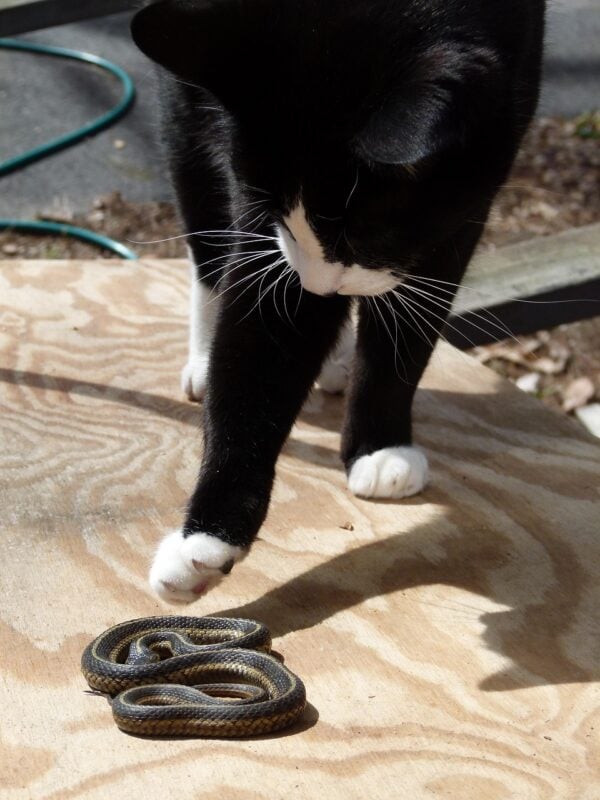
One bite from the wrong species can mean pain, panic, and a race against time. As caretakers, our job isn’t to let our pets prove how tough they are; it’s to protect them from battles they were never meant to fight. Keeping your cat safe doesn’t mean limiting their spirit; it means honoring their life enough to keep them safe from danger.
Other Hidden Dangers You Need to Know to Protect Your Cat
While snakes pose an obvious threat, they aren’t the only danger your cat might face, especially if they spend time outdoors or near open doors and windows. Insects, parasites, and toxic plants can cause serious harm in just seconds. Even something as small as a bee or fly can become a medical emergency if your cat reacts poorly or gets stung in the wrong place.
Bees and wasps are among the most common culprits. A sting near the mouth or throat can swell rapidly and block your cat’s airway, while multiple stings can trigger a severe allergic reaction. Some cats even try to eat bees or chase wasps, leading to painful internal stings. Meanwhile, seemingly harmless bugs like flies may carry bacteria or parasites; cats that eat flies can sometimes experience vomiting or diarrhea.
Other hidden threats include intestinal parasites like worms, which may appear in vomit after a cat hunts infected prey. Vomiting worms is a serious sign of infestation. Certain plants are equally dangerous; anthurium, for example, is toxic if chewed and can lead to drooling, vomiting, or worse. Protecting your cat means staying vigilant, not just against snakes, but all the small, silent hazards that often go unnoticed.
Share Your Snake Story and Help Keep Other Cats Safe
Has your cat ever had a run-in with a snake, bee, or another unexpected danger? Your experience could help another pet parent stay prepared, or even save a life. Share your story in the comments or send it to us so we can continue building a safer, more informed cat-loving community.